


A year in marine conservation
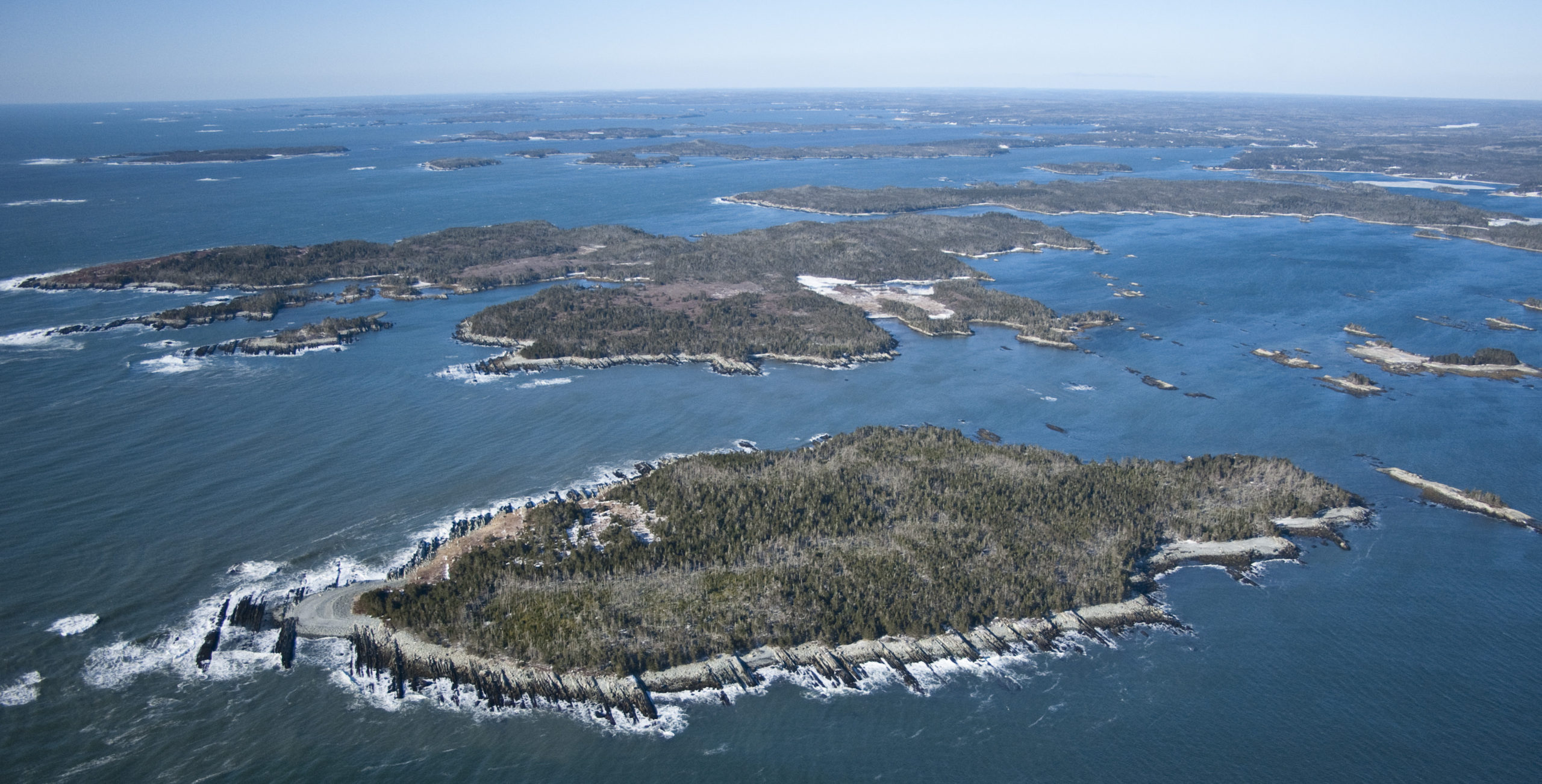
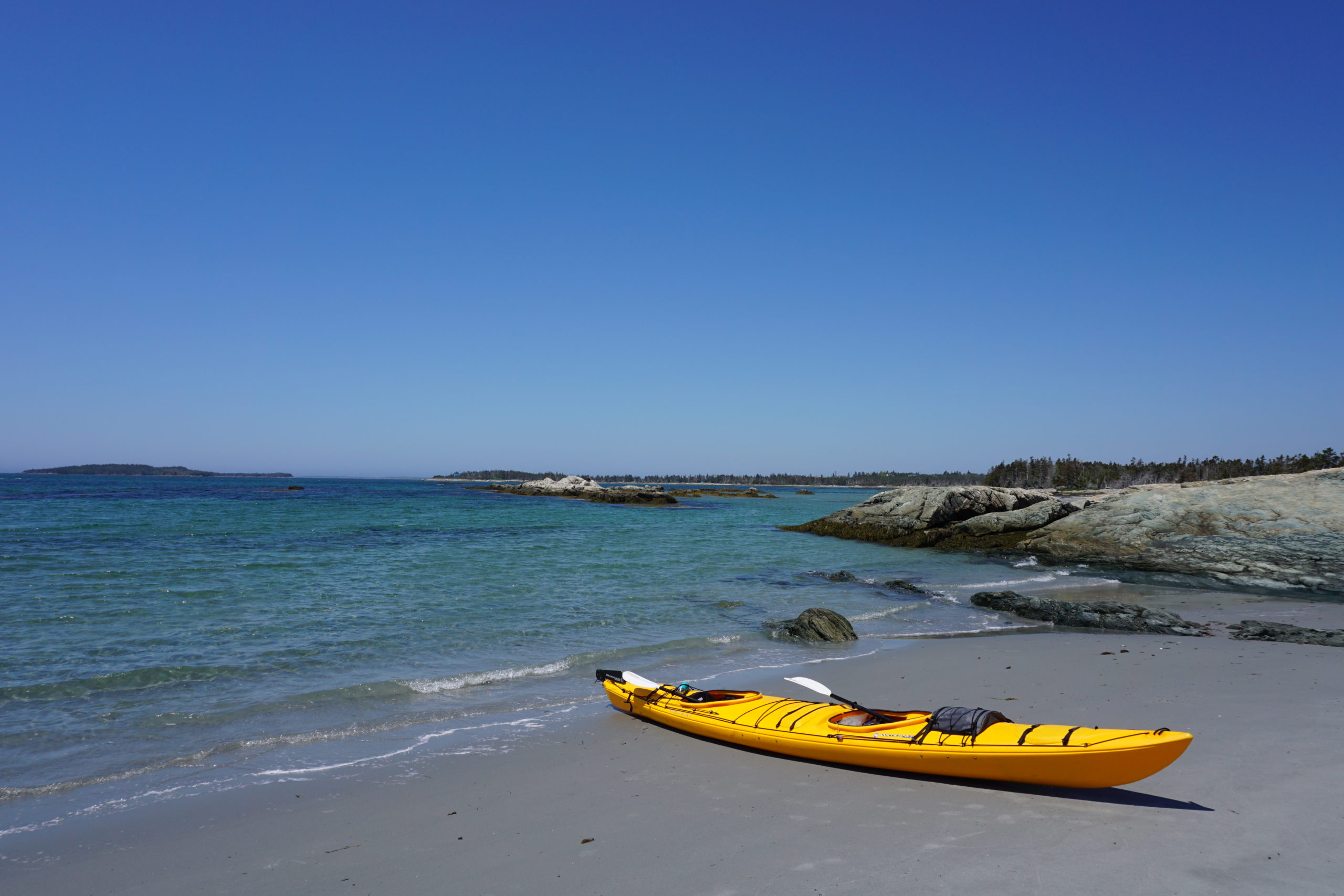
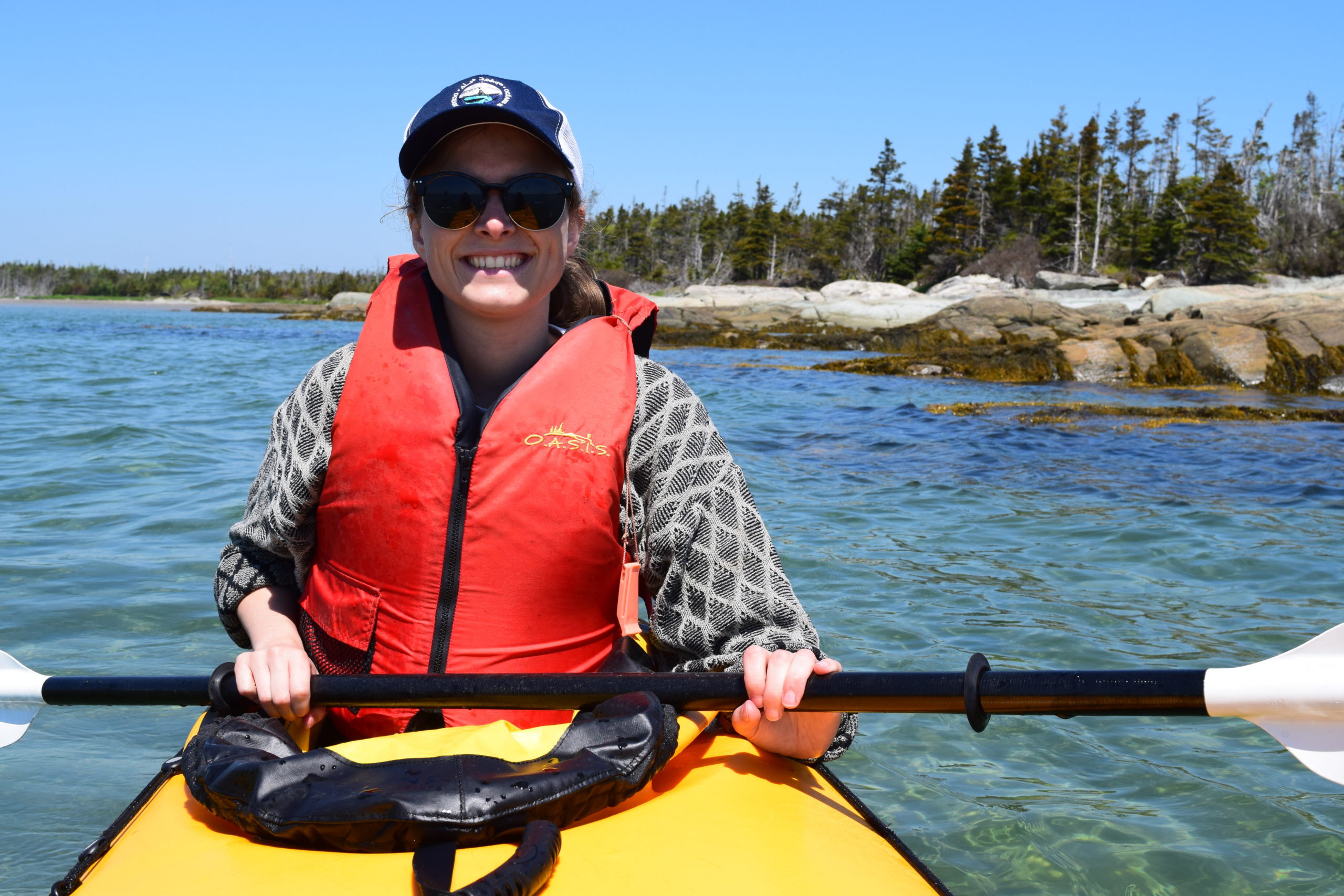
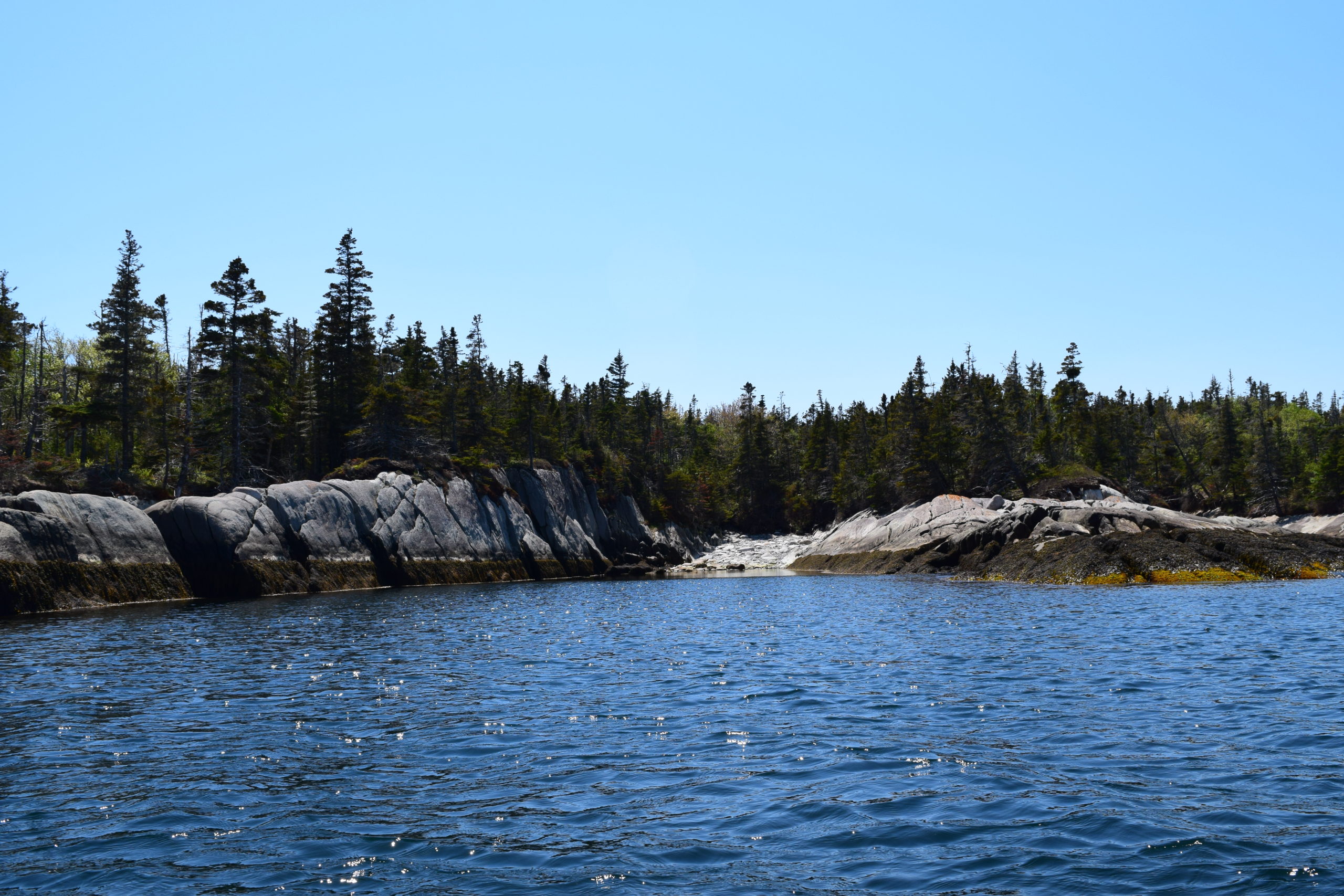
 It’s been a year now since I joined the CPAWS Nova Scotia team, and I wanted to share with you some of the marine conservation highlights from my time here. I’ve been lucky to have some amazing experiences this past year, including working alongside community activists and exploring the Eastern Shore Islands by kayak. I’ve also witnessed remarkable progress on marine conservation in Canada. At a national level, we saw some important marine commitments:
- In July 2020, the federal government announced that Canada joined the Global Ocean Alliance to advocate for a global target of 30% marine conservation by 2030, building on the previous target of 25% by 2025. This commitment was very much necessary – research has shown that we need to protect at least 30% of our ocean in order to reverse biodiversity loss and restore ocean health and abundance by 2050.
- At the end of last year, Canada pledged to sustainably manage 100% of its oceans by 2050, alongside 13 other countries on the High-Level Panel for a Sustainable Ocean Economy. The panel recognizes ocean protection as a cornerstone in creating a sustainable blue economy, through reversing biodiversity loss and restoring ocean health.
- The new Federal budget included $976.8 million for ocean conservation to create new Marine Protected Areas (MPAs) and reach Canada’s target of 25% marine protection by 2025.
It’s encouraging to see the federal government, alongside other global leaders, recognize the importance of marine conservation and commit to taking action. Now we must encourage them to follow through on these commitments. As Canada develops its own Blue Economy Strategy, CPAWS is pushing to prioritize ocean protection. It’s not too late to send a letter to the federal government and tell them why prioritizing ocean protection in the Blue Economy Strategy is important to you.
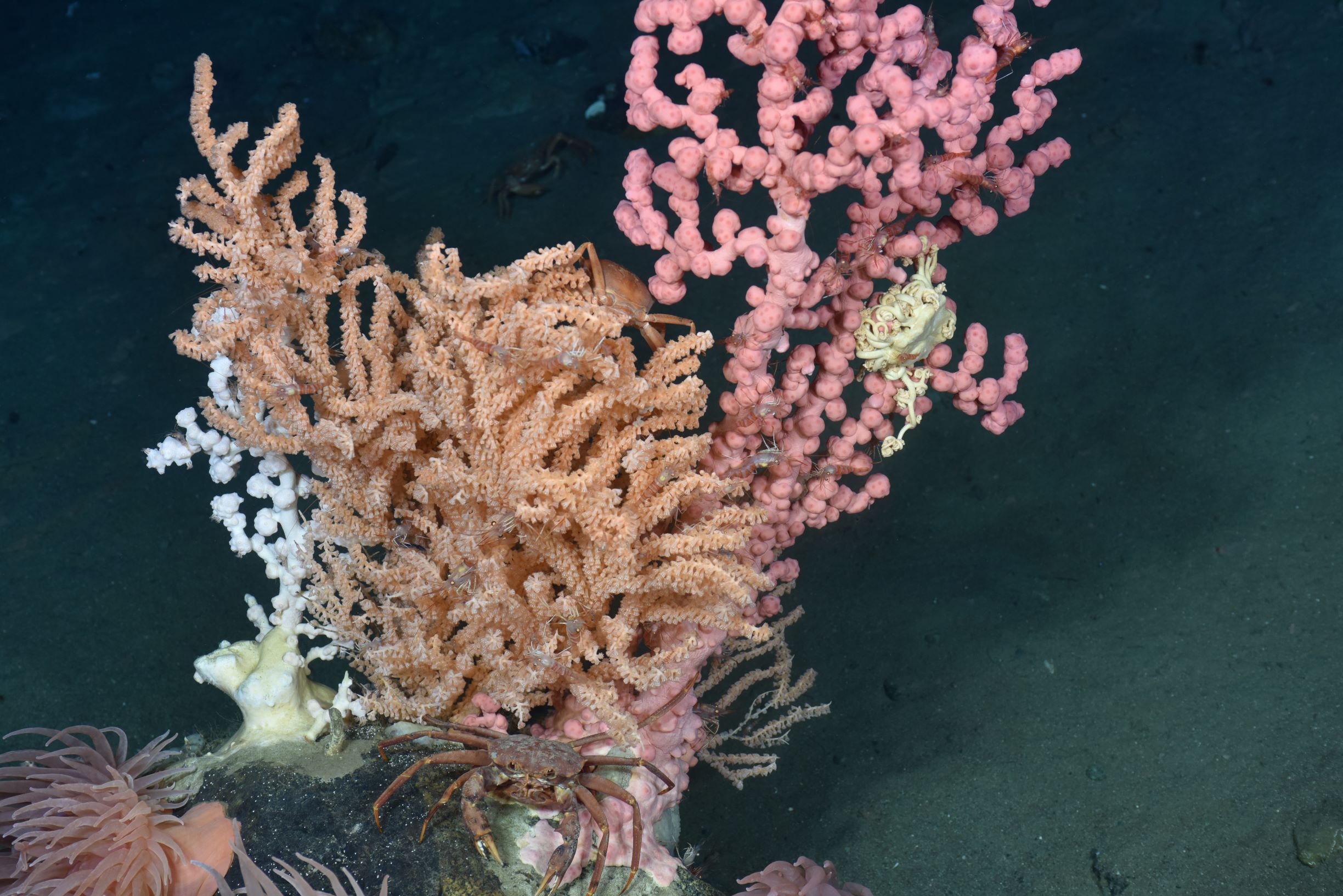
Given the recent announcements, I’m excited to see real progress in marine protection over the coming years, as we move towards the 25% by 2025 target. In Nova Scotia, that should include the designation of the Fundian Channel – Browns Bank Area of Interest (AOI), as an Oceans Act MPA. This is a significant area full of cold-water corals and habitat for species-at-risk.
Looking to the rest of 2021 and beyond, here at CPAWS-NS we will continue to ensure that the government follows through with its commitments for ocean conservation, and advocate for the protection of ecologically important marine areas like the Fundian Channel – Brown’s Bank.
The ocean is under a lot of pressure, so it is important that we keep fighting to protect it and the marine life it supports.
Happy World Ocean Day!
Reanne

 All my life, I’ve known I wanted to make a difference in this world and combine my love of nature with my desire to help people. I had the opportunity to work with the Society for Conservation of Nature of Liberia (SCNL) and help local communities strengthen their relationship with the forest. I helped SCNL conduct site visits to collect data and assist in the communication with landowners, the government, and the local community. I remember my excitement and nervousness the first time I led a group of local youths and elders through the wilderness to show them the areas we should protect. We planted some trees and did a BioBlitz with the kids on the mountain to celebrate biodiversity studies. It was such a fulfilling experience to see the group understand the importance of protecting the environment and the benefits of conservation for their livelihoods. I felt like I made a difference and became more committed to working with communities to protect nature.
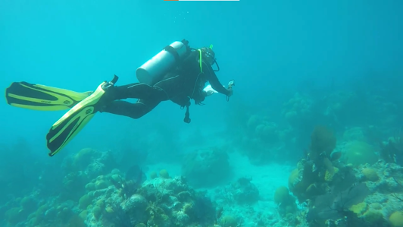
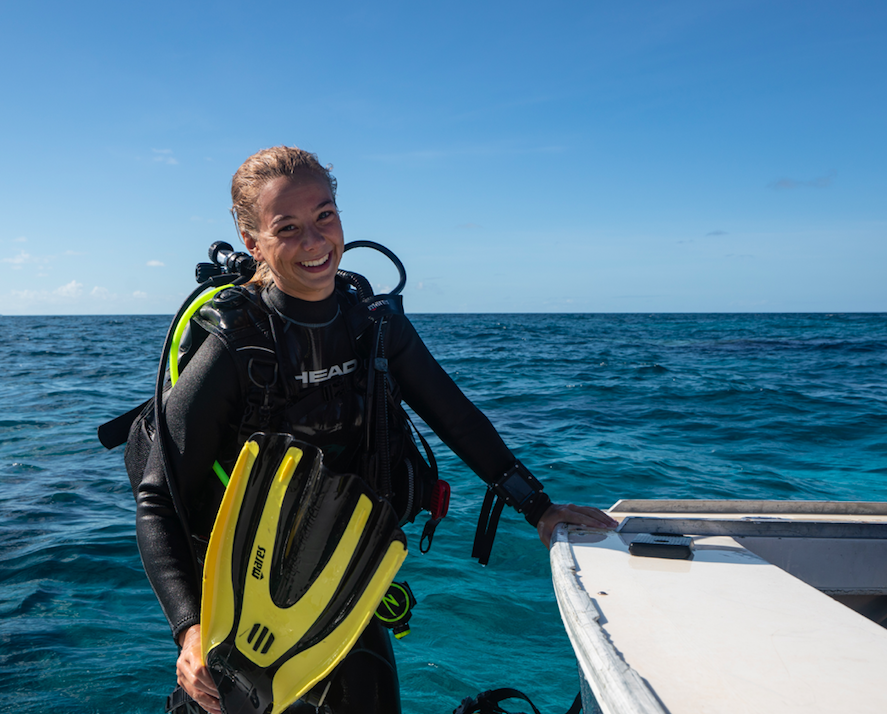 As one of the newest members of CPAWS-NS, I wanted to share with you one of my favourite parts about studying and working in marine conservation – diving! Over the past four years, I have been very fortunate to explore underwater sites in Nova Scotia, Mexico, and Bermuda, as both a scientific and a recreational diver, and I have seen firsthand how the diving community can play an important role in protecting our oceans. So, as we gear up for the summer, let’s talk about how recreational divers can help conservation and research efforts through marine citizen science.