

TAKE ACTION: August-October protected areas consultation open for comment
A public consultation is underway right now for the creation of 11 new Protected Areas. You can submit your comments to the Nova Scotia government until October 20, 2026 here: https://forms.cloud.microsoft/pages/responsepage.aspx…
Visit the government of Nova Scotia’s Protected Areas Consultation page here: https://storymaps.arcgis.com/…/d40e8341de014f8b90d5ebb7…
This consultation is for everyone. Whether you have feedback on specific sites that you are familiar with, or just want to share your thoughts more generally on the importance of protected areas in Nova Scotia, your input matters. This is an opportunity to welcome new protections, while calling for more action. Nova Scotia is still far from meeting protected area targets and we need to see legal designation of remaining sites in the Our Parks and Protected Areas Plan.
You can add your call for more action on protected areas under question (1) “Please share your thoughts about all lands under consultation.”  https://forms.cloud.microsoft/pages/responsepage.aspx…
https://forms.cloud.microsoft/pages/responsepage.aspx…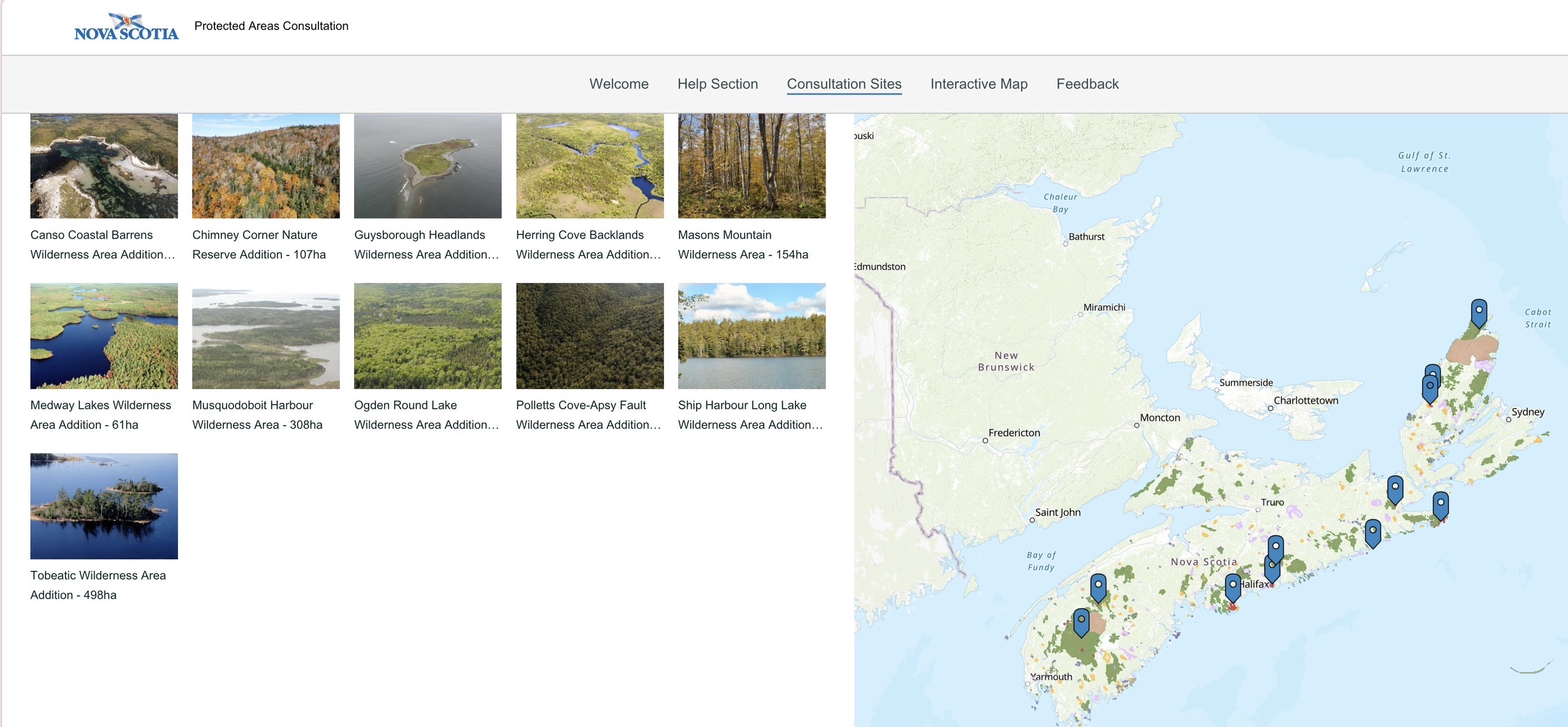
Please consider subscribing to our e-list to receive updates about Nova Scotia’s wilderness and the next call-to-action.
CPAWS is continually striving to establish protected areas on land and in the ocean, improve management of existing protected areas, and make progress on tackling climate change and protecting species at risk.
We thank you for your support.