

A National Urban Park for Blue Mountain-Birch Cove Lakes
K’JIPUKTUK / HALIFAX – The Nova Scotia Chapter of the Canadian Parks and Wilderness Society (CPAWS-NS) welcomes today’s announcement by Parks Canada and Halifax Regional Municipality that Blue Mountain-Birch Cove Lakes has been prioritized for a National Urban Park designation.
“This is absolutely amazing news,” says Chris Miller, Executive Director of CPAWS-NS. “A national urban park is a great fit for Blue Mountain-Birch Cove Lakes. We are pleased to see the Federal Government and Halifax Regional Municipality take this very important step.”
Parks Canada and Halifax Regional Municipality have signed a “Statement of Collaboration” to work together on the potential designation of Blue Mountain-Birch Cove Lakes as a National Urban Park. That agreement commits the two levels of government to work together on park objectives, engaging with key partners, and assessing natural and cultural features, among other things.
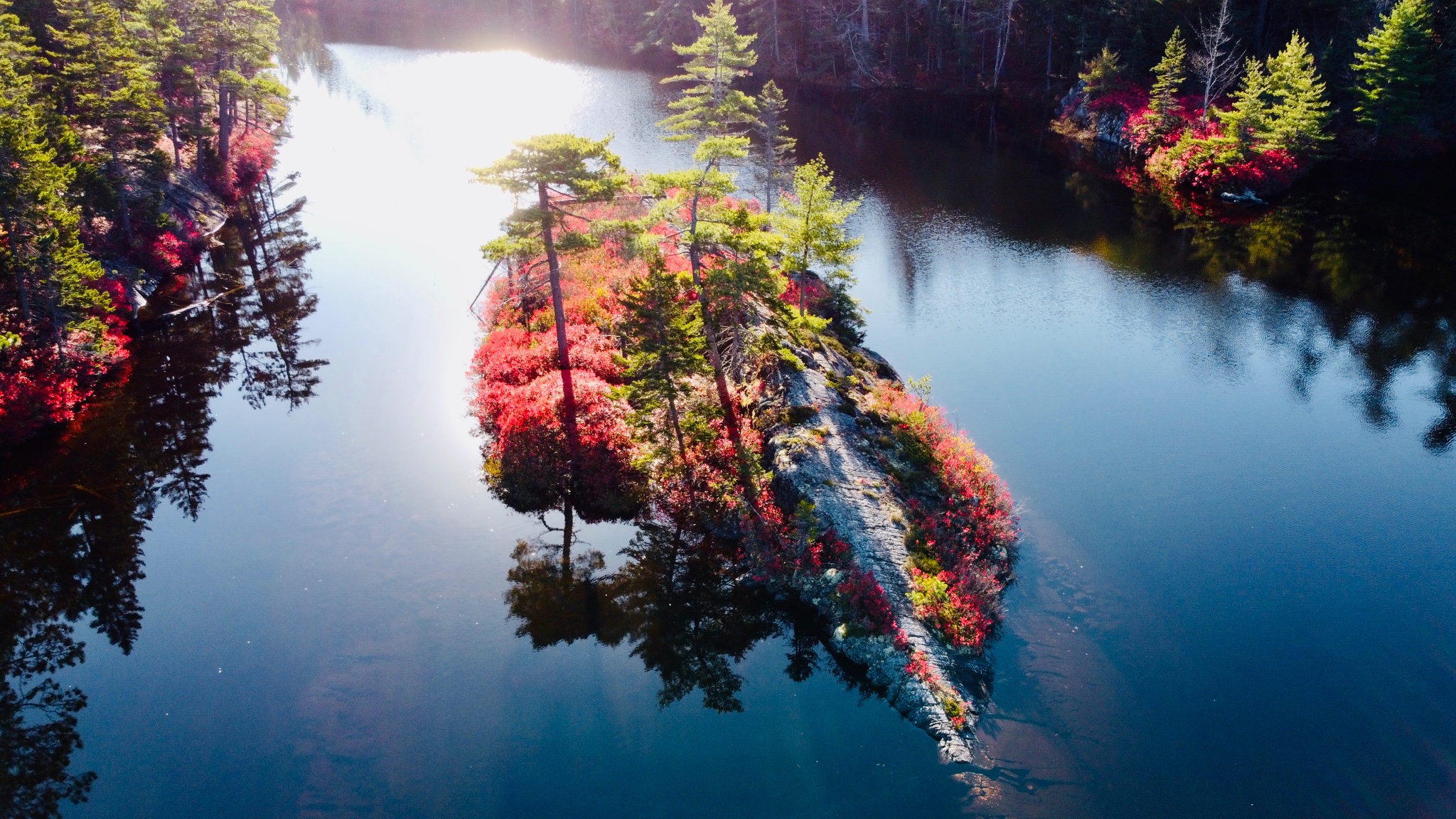
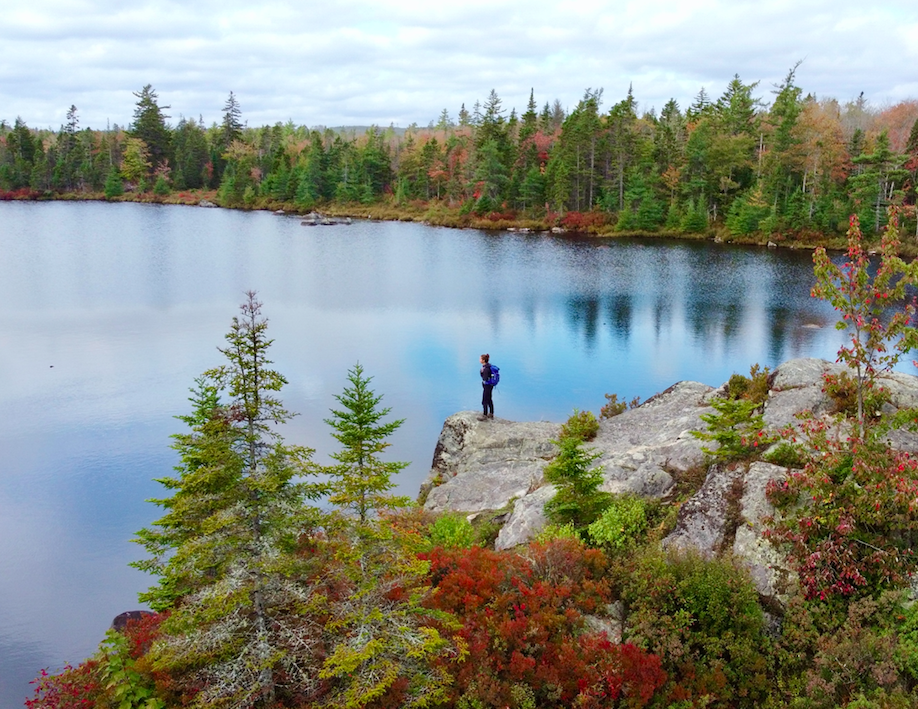
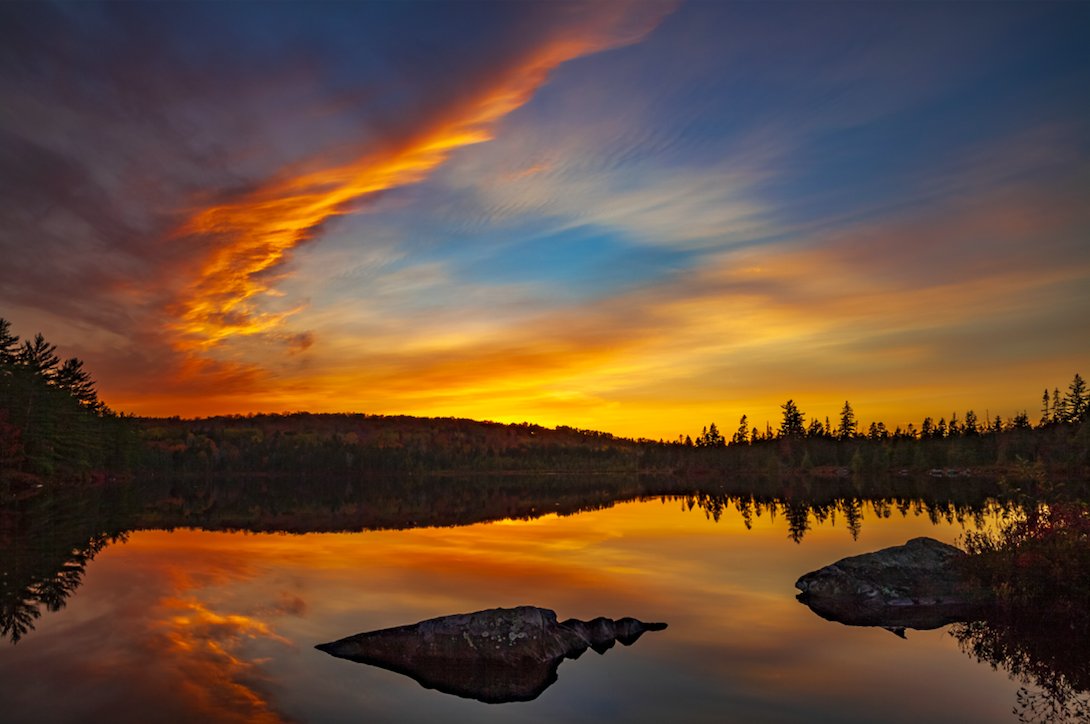
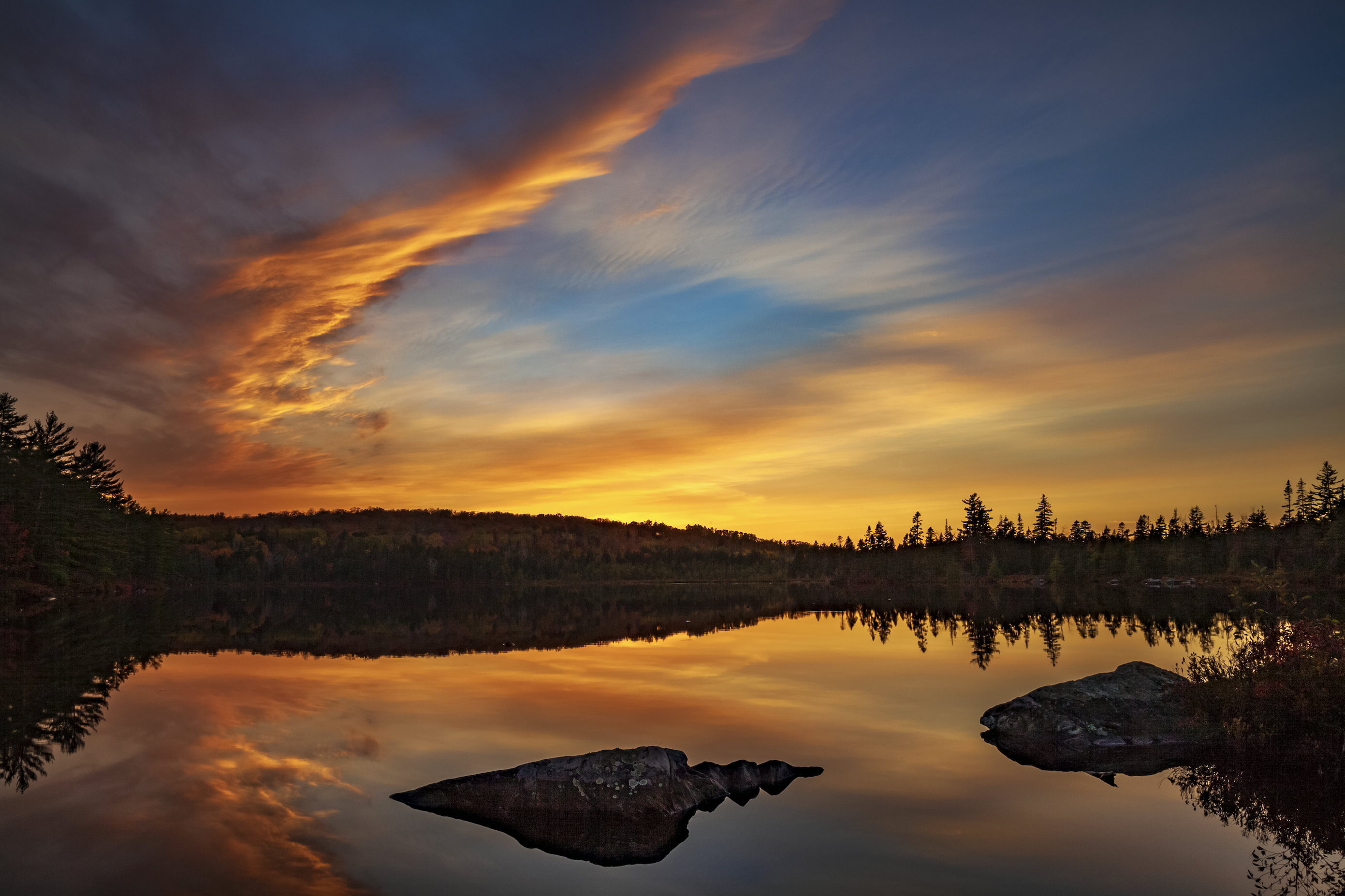
Blue Mountain-Birch Cove Lakes is a near-urban wilderness located only about 5 kilometres from downtown Halifax. It contains numerous lakes and rivers and forests, and provides habitat for a myriad of species and wildlife. It is a popular destination for outdoor recreation, particularly canoeing, hiking, swimming, biking, skating, and snowshoeing.
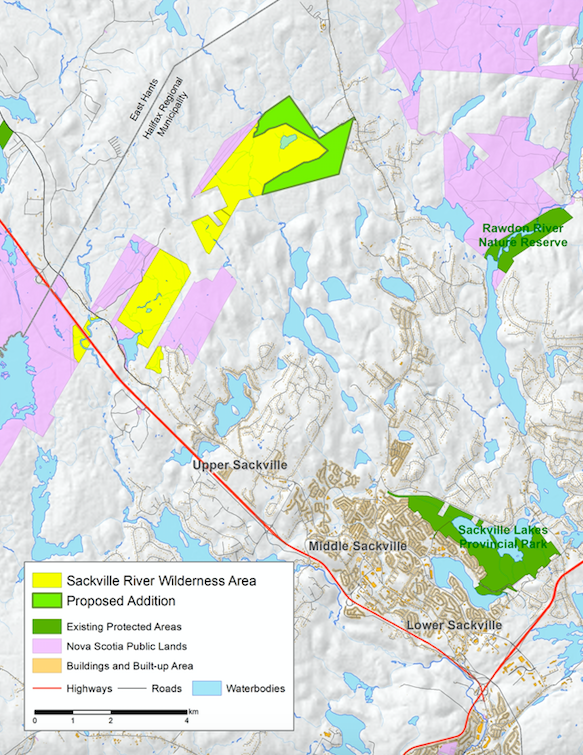
The Nova Scotia government has placed a protected wilderness area designation on public lands within the Blue Mountain-Birch Cove Lakes wilderness; Halifax Regional Municipality has acquired several key properties for an adjacent regional park; and the Nova Scotia Nature Trust recently purchased a property for conservation in Blue Mountain-Birch Cove Lakes as well.
“Parks Canada can play a very helpful role in protecting this near-urban wilderness” says Miller. “It’s crucial that the agency builds upon the conservation work that’s already been done, so that there is a net-benefit overall. Purchasing new lands for conservation and establishing the primary access point for the park are examples of things that would be really helpful.”
CPAWS-NS has been advocating for a National Urban Park for Blue Mountain-Birch Cove Lakes for the past five years. In 2016, we presented to a Parliamentary Committee in Ottawa about the importance of a National Urban Park designation for these lands and for the federal government to provide funding to help with land purchases.
The federal government announced this week that they will establish a network of national urban parks across the country and allocate $130 million in funding to help make this happen. So far, seven cities have expressed an interest and three have signed statements of collaboration, including Halifax.
“This is a great thing for the city. And a great thing for Blue Mountain-Birch Cove Lakes,” adds Miller. “There’s still a lot of work to do, but this is definitely moving things in the right direction.”
More information:
Halifax Regional Municipality news release
National Urban Park Statement of Collaboration: SoC-for-Urban-Parks_HRM-signed
Contact:
Chris Miller
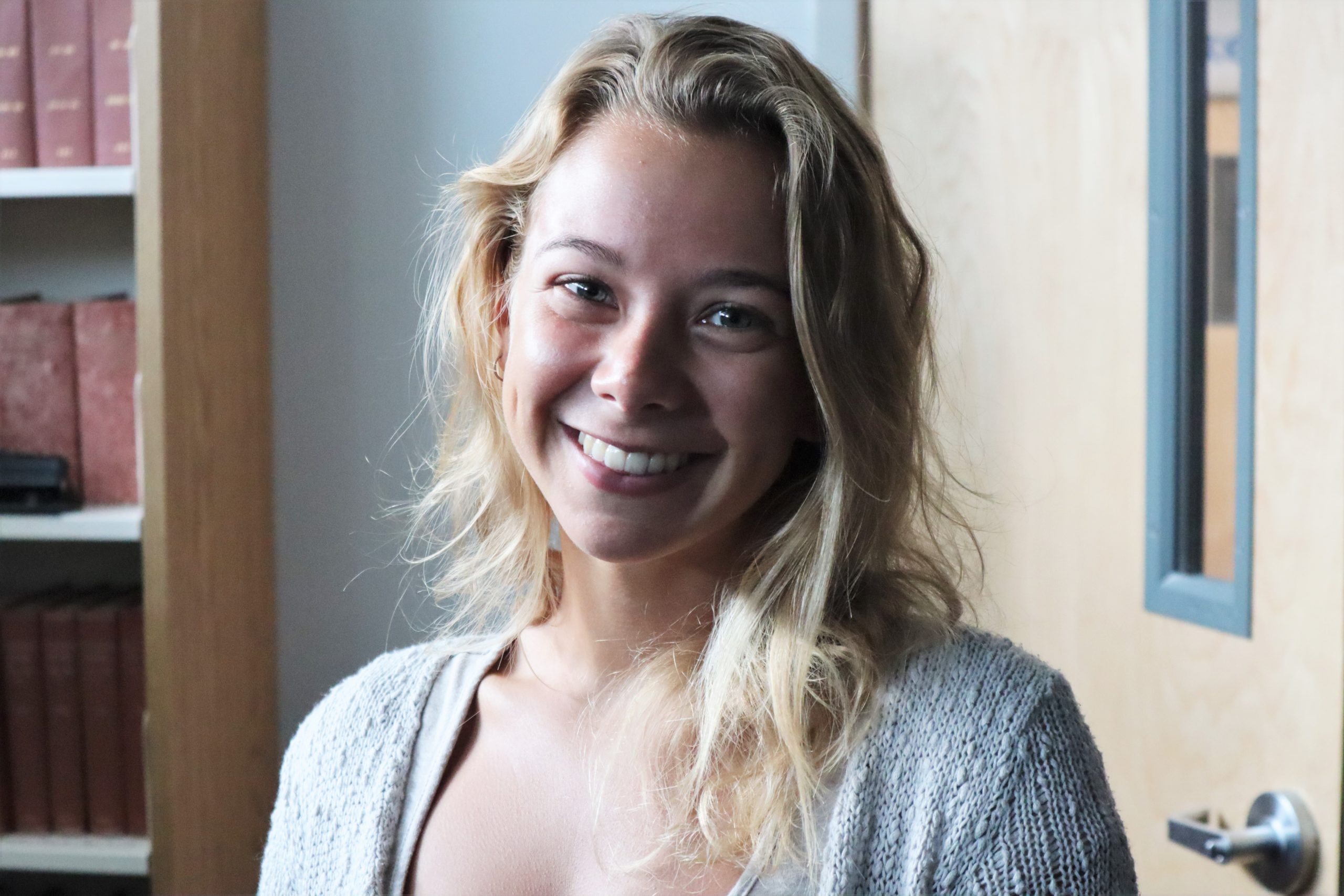 K’JIPUKTUK/HALIFAX – The Nova Scotia Chapter of the Canadian Parks and Wilderness Society (CPAWS-NS) is pleased to congratulate Monika Neufeld on receiving the University Medal in Marine Biology from Dalhousie University at the spring convocation.
 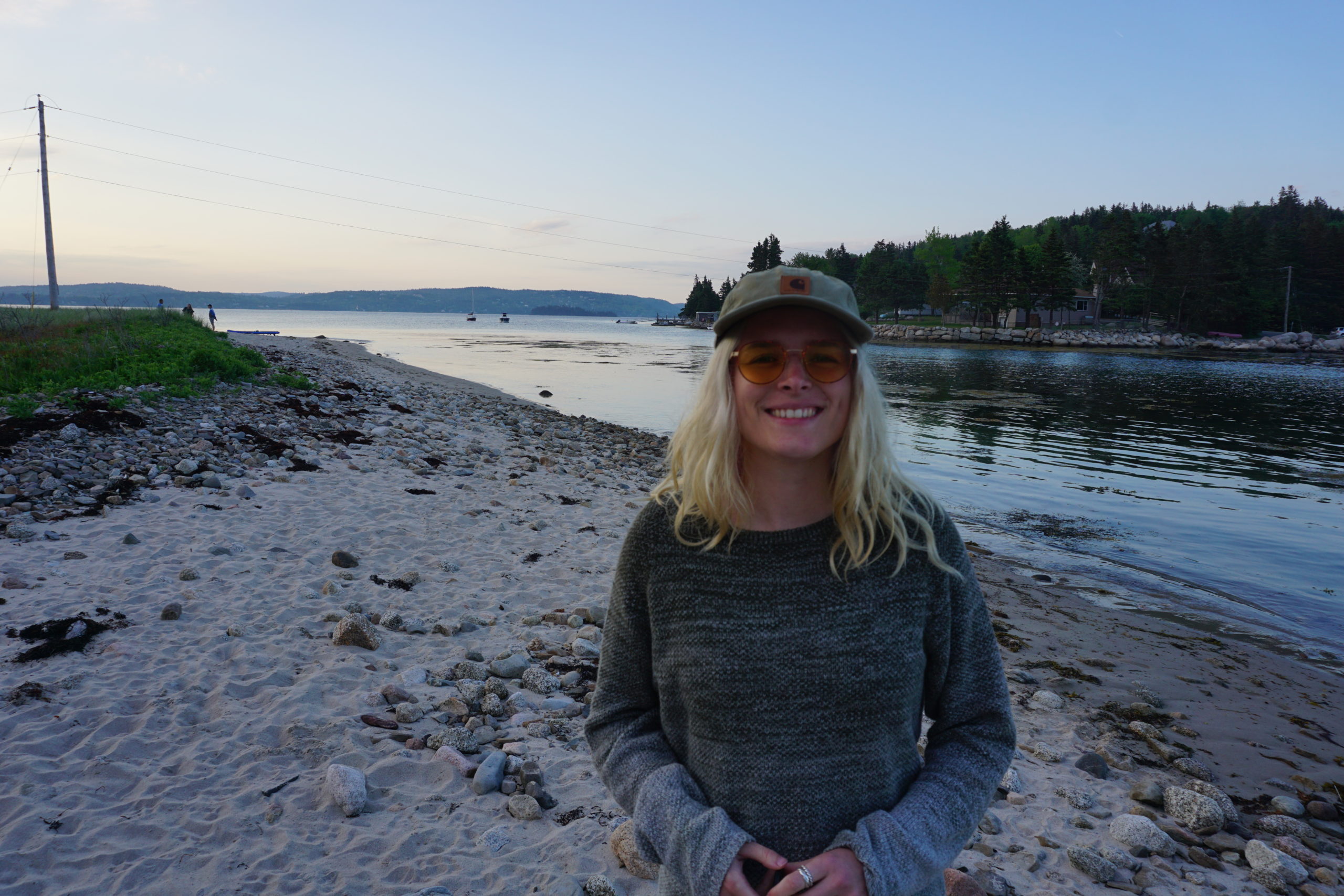 It’s been a year now since I joined the CPAWS Nova Scotia team, and I wanted to share with you some of the marine conservation highlights from my time here. I’ve been lucky to have some amazing experiences this past year, including working alongside community activists and exploring the Eastern Shore Islands by kayak. I’ve also witnessed remarkable progress on marine conservation in Canada. At a national level, we saw some important marine commitments: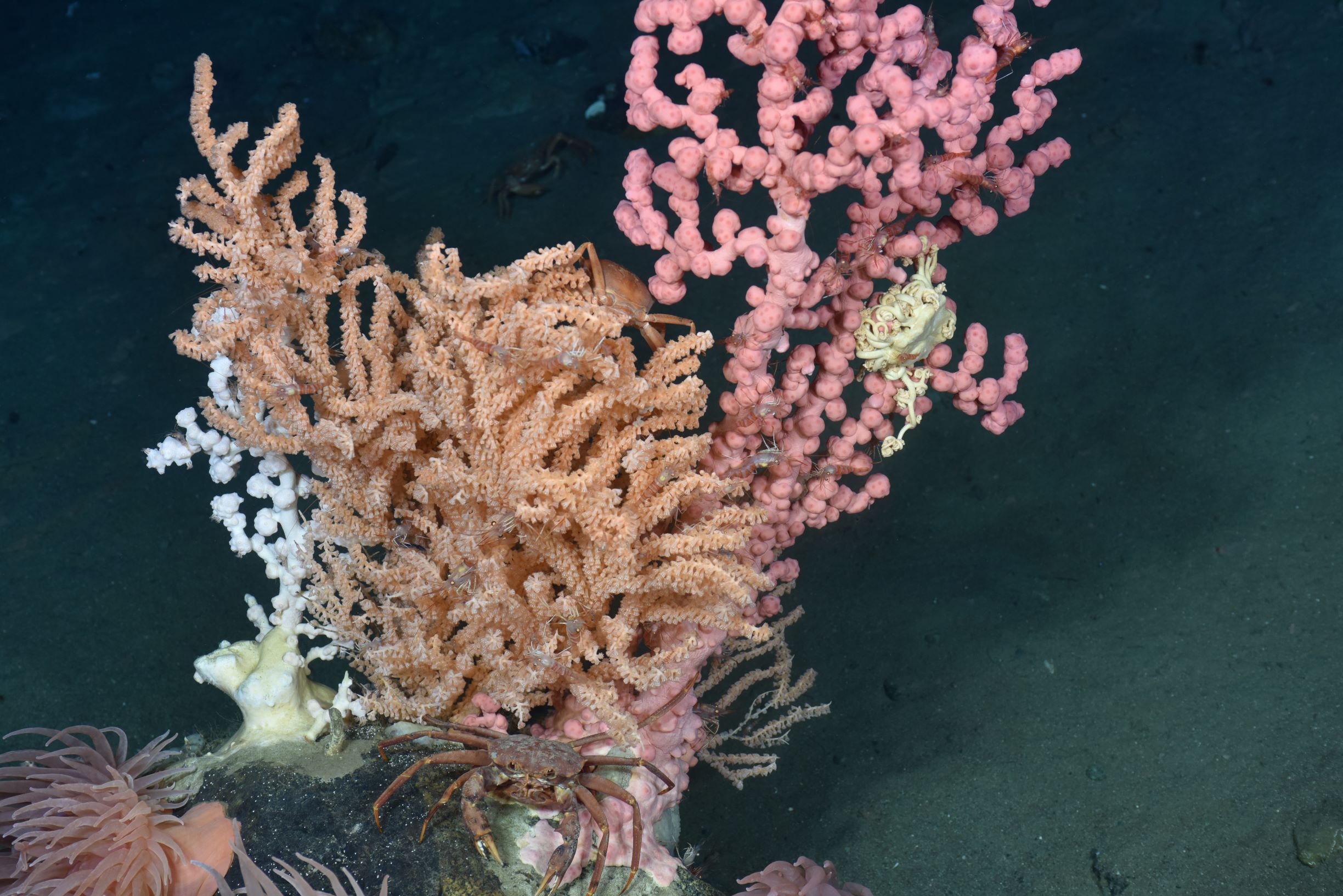
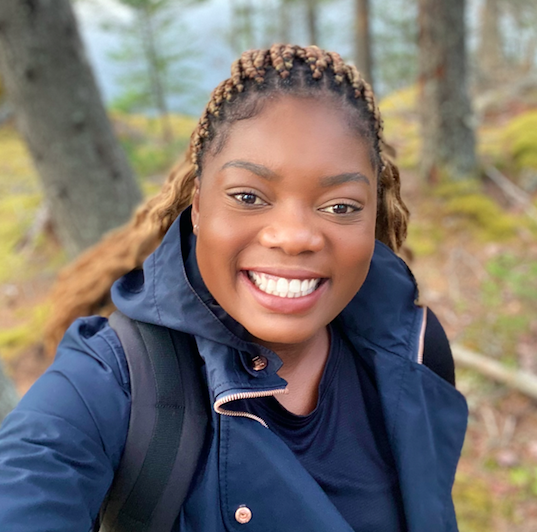
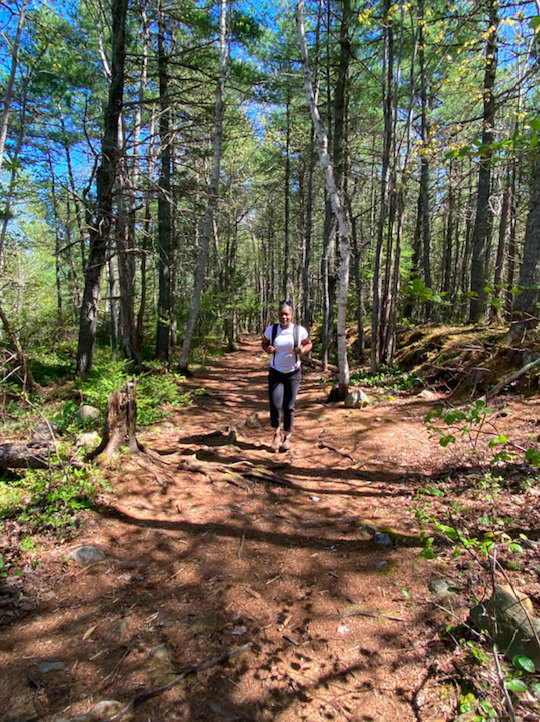 All my life, I’ve known I wanted to make a difference in this world and combine my love of nature with my desire to help people. I had the opportunity to work with the Society for Conservation of Nature of Liberia (SCNL) and help local communities strengthen their relationship with the forest. I helped SCNL conduct site visits to collect data and assist in the communication with landowners, the government, and the local community. I remember my excitement and nervousness the first time I led a group of local youths and elders through the wilderness to show them the areas we should protect. We planted some trees and did a BioBlitz with the kids on the mountain to celebrate biodiversity studies. It was such a fulfilling experience to see the group understand the importance of protecting the environment and the benefits of conservation for their livelihoods. I felt like I made a difference and became more committed to working with communities to protect nature.
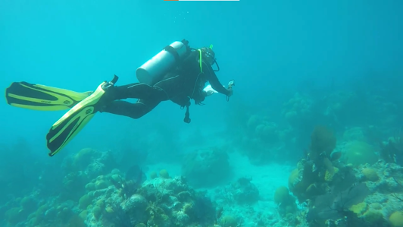
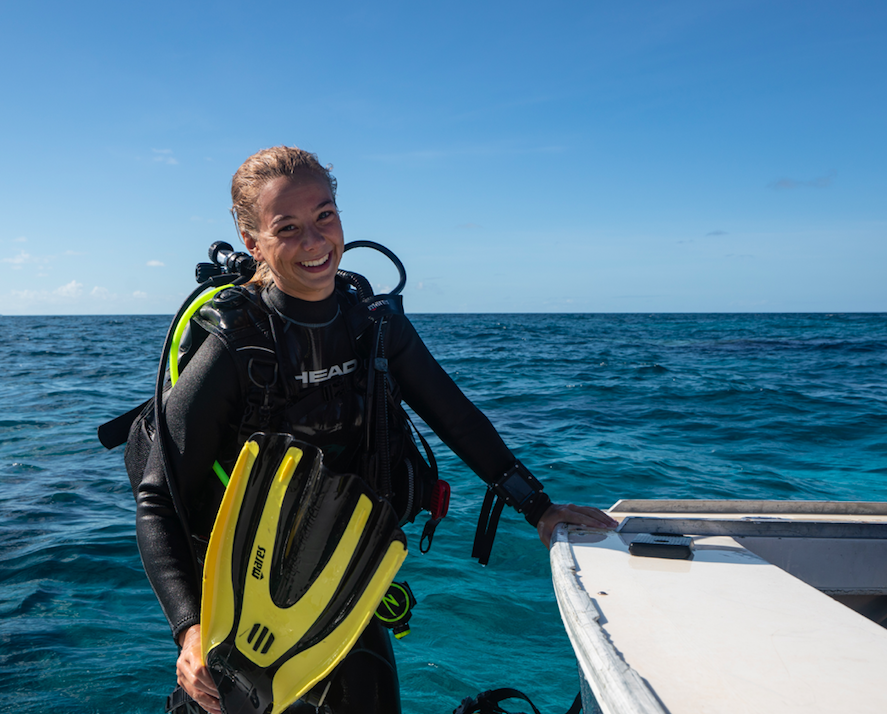 As one of the newest members of CPAWS-NS, I wanted to share with you one of my favourite parts about studying and working in marine conservation – diving! Over the past four years, I have been very fortunate to explore underwater sites in Nova Scotia, Mexico, and Bermuda, as both a scientific and a recreational diver, and I have seen firsthand how the diving community can play an important role in protecting our oceans. So, as we gear up for the summer, let’s talk about how recreational divers can help conservation and research efforts through marine citizen science.