The Canada Nova Scotia Nature Agreement provided $28.5 million in federal funding for conservation in Nova Scotia. The commitments in this agreement were not all met, and now $5 million dollars in unspent funds were sent back to the federal government. This is deeply concerning.
Please send a letter to Premier Tim Houston. More action is needed for conservation in Nova Scotia and returning this funding is unacceptable.
When the provincial government signed the Canada-Nova Scotia Nature Agreement in 2023, Nova Scotia committed to increasing the provinces protected and conserved areas by 82,500 hectares of land by March 31, 2026. This commitment was not met. The Nature Agreement should have made it easy for Nova Scotia to reach its land protection targets. However, funding associated with this agreement went unused and about $5 million dollars was returned to the federal government. There is no excuse for this.
Failing to meet this commitment has consequences. It leaves important ecosystems vulnerable, puts renewed federal funding at risk, limits future conservation opportunities, and delays designation of pending sites that have already been invested in and undergone consultation.
Nova Scotia used to be a leader in conservation, but has fallen behind terribly. Please tell the provincial government to treat this issue with urgency by demonstrating that Nova Scotia is prepared to meet its responsibilities to citizens and the next seven generations.
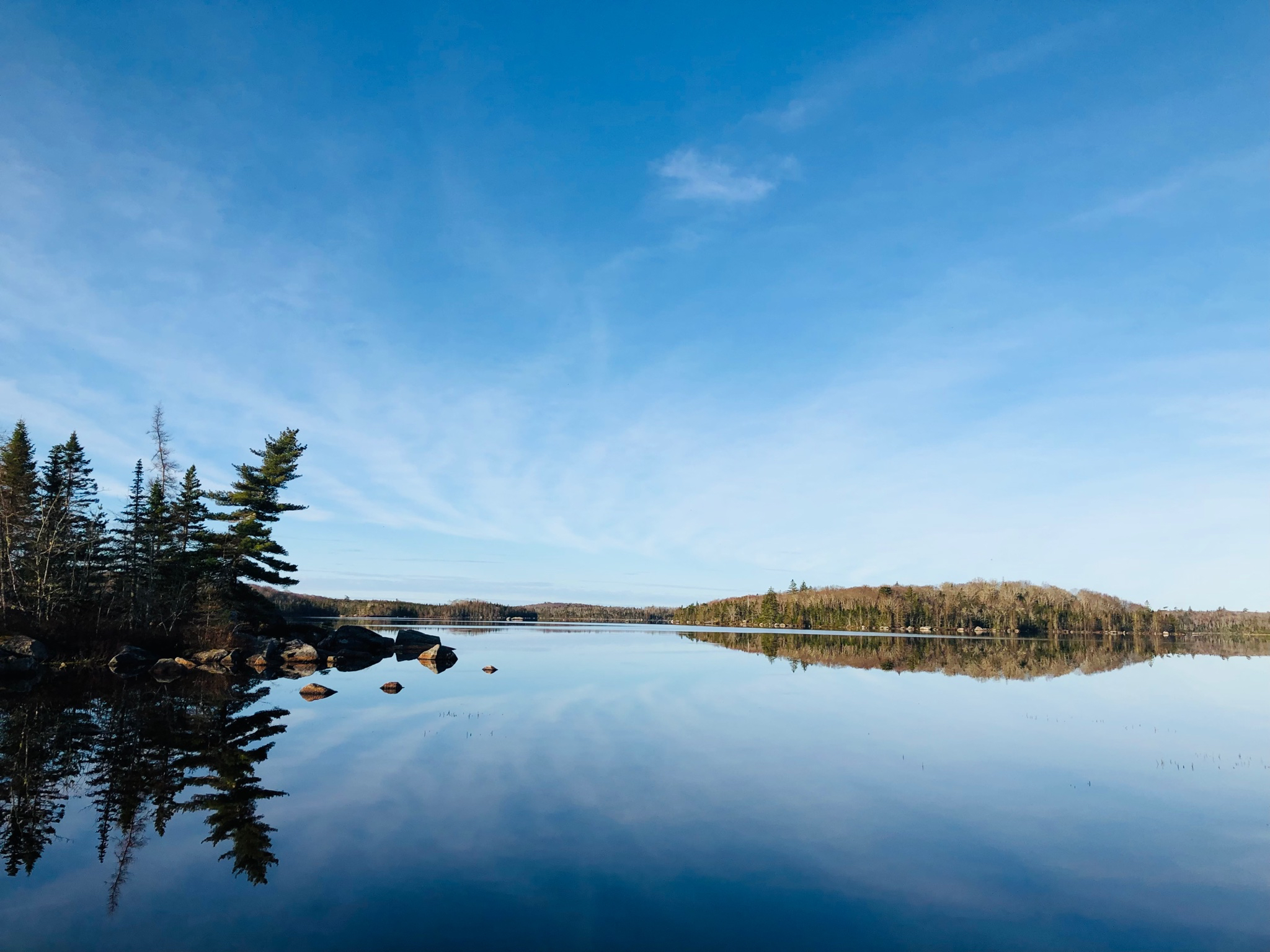
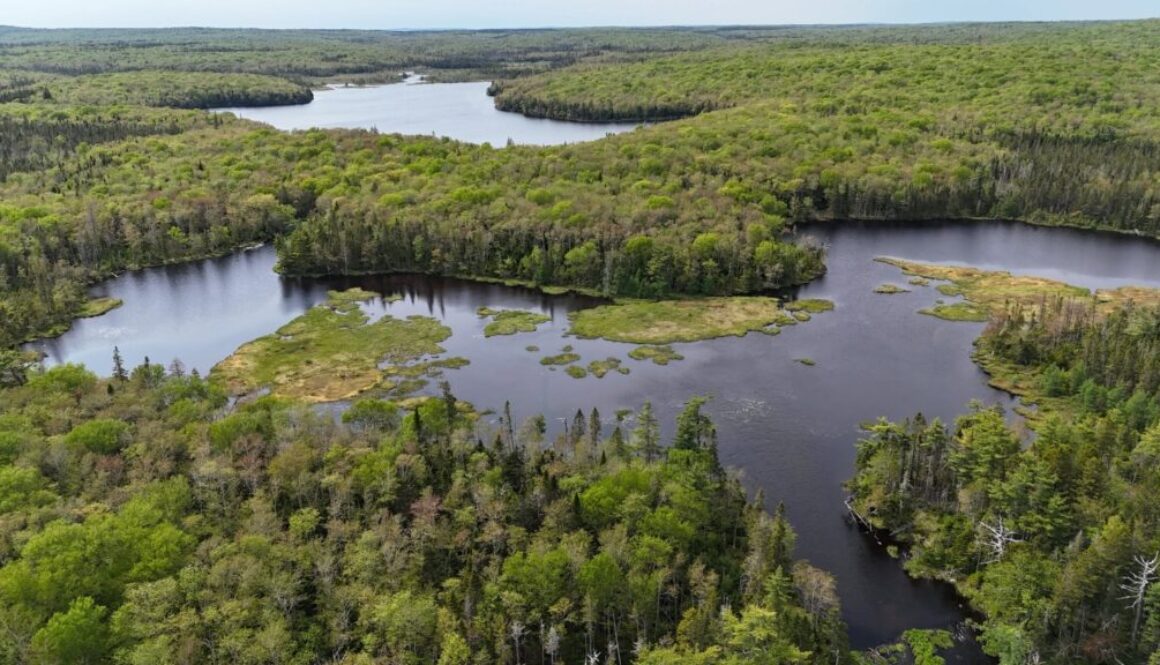
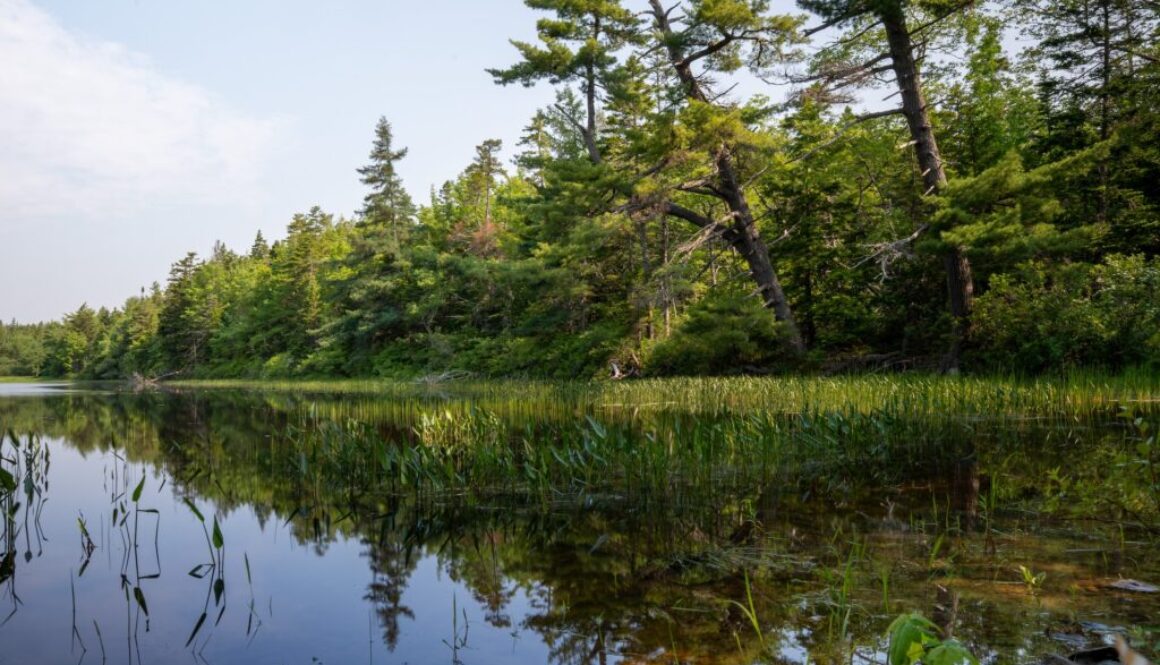
If you live in Millwood, Beaver Bank, or Middle Sackville, there’s a good chance you already know this place. Located just outside Lower Sackville and Millwood is Feely Lake, a thriving natural landscape that supports wildlife, protects water, and gives people a place to connect with nature in a rapidly developing part of the HRM.
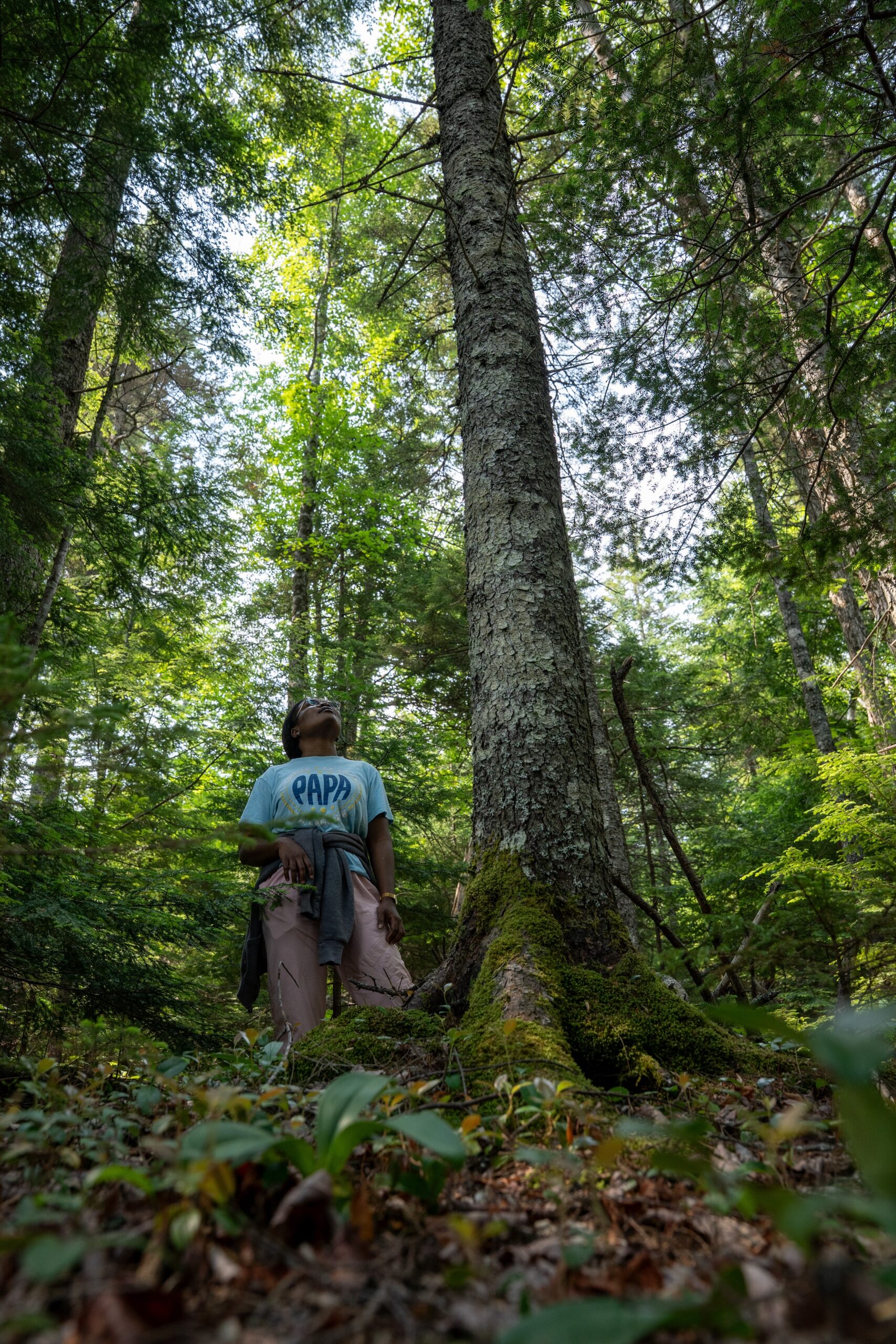
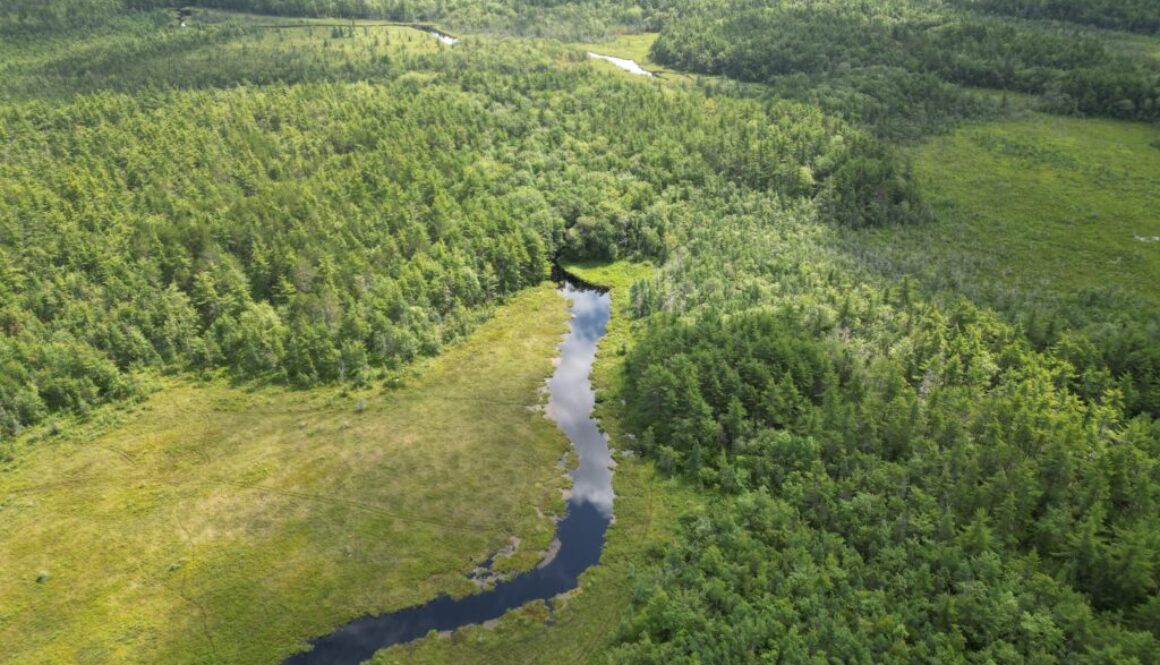
The first time I learned about Feely Lake through my work at CPAWS-NS, I was struck by how much people loved it. For the thousands of residents of nearby Millwood, Beaver Bank and Sackville, this isn’t just another green space, it is a valued community treasure. It is a place where children experience nature for the first time, where families can hike, fish and paddle, where friends hang out after a stressful week, and where neighbours come together to enjoy the peace and quiet. The more I learned, the more I realized that what makes Feely Lake truly special goes far beyond its beauty. Walking through the area, it’s impossible not to notice the towering trees and the feeling of being surrounded by old forest; habitat that is becoming increasingly rare in Nova Scotia. Feely Lake and the matured stands of red spruce, eastern hemlock, yellow birch, and sugar maple that surround it, provide habitat for turtles, Atlantic salmon, insects, fungi, birds such as the vulnerable Eastern Peewee, and other species that depend on healthy waterways and woodland ecosystems.
While many people may only be beginning to discover this near-urban wilderness, others have been working tirelessly to protect it for decades. For years, Walter Regan and the Sackville Rivers Association have been championing the protection of Feely Lake and the broader Sackville River watershed. Through community engagement, education, stewardship, and countless hours of advocacy, they’ve helped many discover just how special this place is. Their work is a wonderful reminder that conservation isn’t only about protecting remote wilderness, neither does it happen because of one organization but because communities come together to protect the places they love. That is exactly why protecting Feely Lake matters.
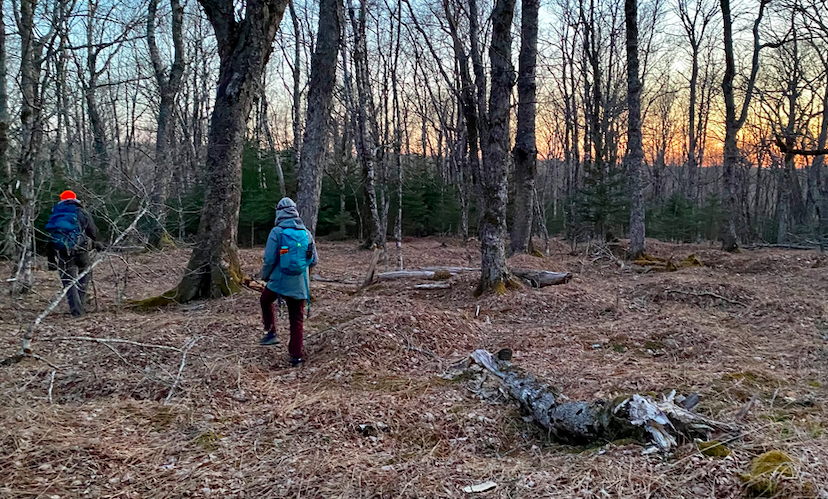
Racheal standing in the forest at Feely Lake in June 2026, looking up at the canopy.
Today, we have an opportunity to ensure Feely Lake receives the lasting protection it deserves. The government of Nova Scotia has proposed protecting Feely Lake as part of an expansion to the Sackville River Wilderness Area. It’s a significant step toward ensuring this remarkable landscape remains protected for wildlife, clean water, and the thousands of people who enjoy it every year. If you’ve hiked the trails at Feely Lake, fished, paddled across its waters, watched wildlife along its shoreline, or simply found a moment of peace beneath its trees, then Feely Lake needs you now.
Submit a comment in the Spring 2026 Protected Areas Consultation (Question 8, Sackville River Wilderness Area Addition) on what Feely Lake means to you and why it should be protected. It is quick, easy and takes less than 2 minutes. Every comment counts towards ensuring that Feely Lake is legally protected.
The deadline to submit your comment is July 28, 2026. Whether you’ve spent years exploring Feely Lake or you’re only hearing about it today, your voice matters. Protected areas are stronger when communities stand behind them, and this is one of those moments where a simple action can help shape the future of a truly special place leaving something better for the next generations.
The Nova Scotia government could use a type of inadequate protected area to achieve provincial land protection targets. We urgently need your voice to STOP THIS from happening.
If these areas are counted towards Nova Scotia’s land protection targets, this would be disastrous for conservation.
Recently, the Nova Scotia Minister of Environment and Climate Change, Timothy Halman, said that the province has achieved 14.5% protection of the provincial landmass using something called Other Effective Area-Based Conservation Measures (OECMs). The government has not stated where these sites are located, what conservation values are being protected, or if these are permanent conservation sites. There has also been no public consultation.
This is NOT how protected areas planning should be undertaken.
Land protection needs to be done right, and we have the tools to do it through fully implementing the Nova Scotia: Our Parks and Protected Areas Plan. That means establishing legislated protected areas to safeguard high-value ecosystems and community values for now AND future generations.
Why NOW?
Through the Canada-Nova Scotia Nature Agreement, the Nova Scotia government has the opportunity to use federal funding to create 82,500 hectares of new protected and conserved areas by March 31, 2026. This is now 1 week away.
What can YOU do?
Please write Premier Tim Houston and express your concern about the lack of progress on creating protected and conserved areas in Nova Scotia. Call for designation of all remaining wilderness areas, nature reserves, and provincial parks in the Nova Scotia: Our Parks and Protected Areas Plan without further delay.
We have made it quick and easy to send a letter. Thank you for using your voice to help protect nature in Nova Scotia.
This is the last possible moment for Nova Scotia to meet an important protected areas commitment. We are deeply concerned the provincial government is going to miss it, resulting in the money being sent back to the federal government.
In October 2023, the federal and provincial governments signed the Canada-Nova Scotia Nature Agreement, which provides $28.5 million in federal funding for conservation in Nova Scotia. A key commitment in the agreement is for the Nova Scotia government to create 82,500 hectares of new protected and conserved areas in the province by March 31, 2026.
So, where are these promised protected areas?
Please send a letter to Premier Tim Houston urging the provincial government to meet its commitment to designate 82,500 hectares of new protected areas by March 31, 2026.
Please click the button below to send a letter. Thank you for helping protect nature in Nova Scotia.
When I started working for CPAWS-NS in the summer of 2023, one of my first tasks was to write a submission in support of the amendments to the Wildlife Area Regulations to designate three islands as National Wildlife Areas. I was fresh into the role of a conservation campaigner, and I was nervous about my first contribution to our organization’s mission to establish protected areas. Since then, I’ve submitted numerous letters and comments during public consultations in support of environmental protections. Seeing a process reach its end stage of legal designation is certainly a special feeling.
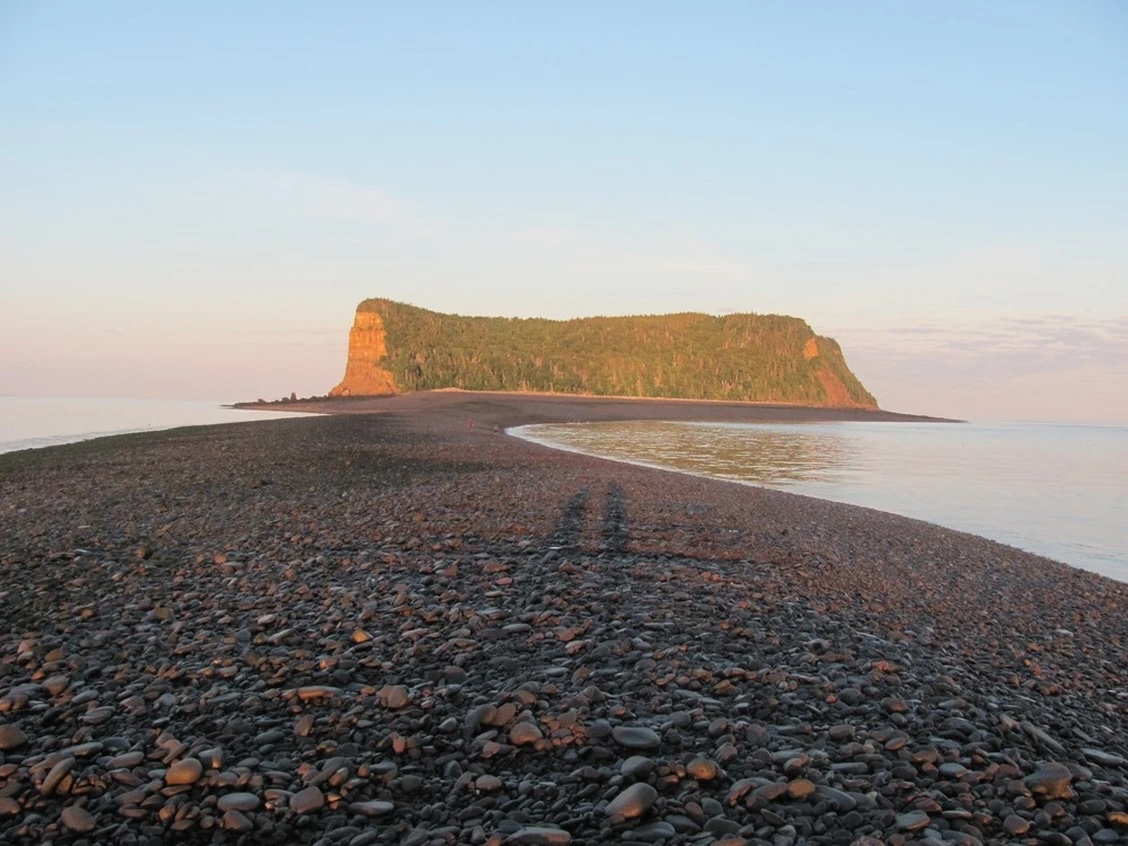
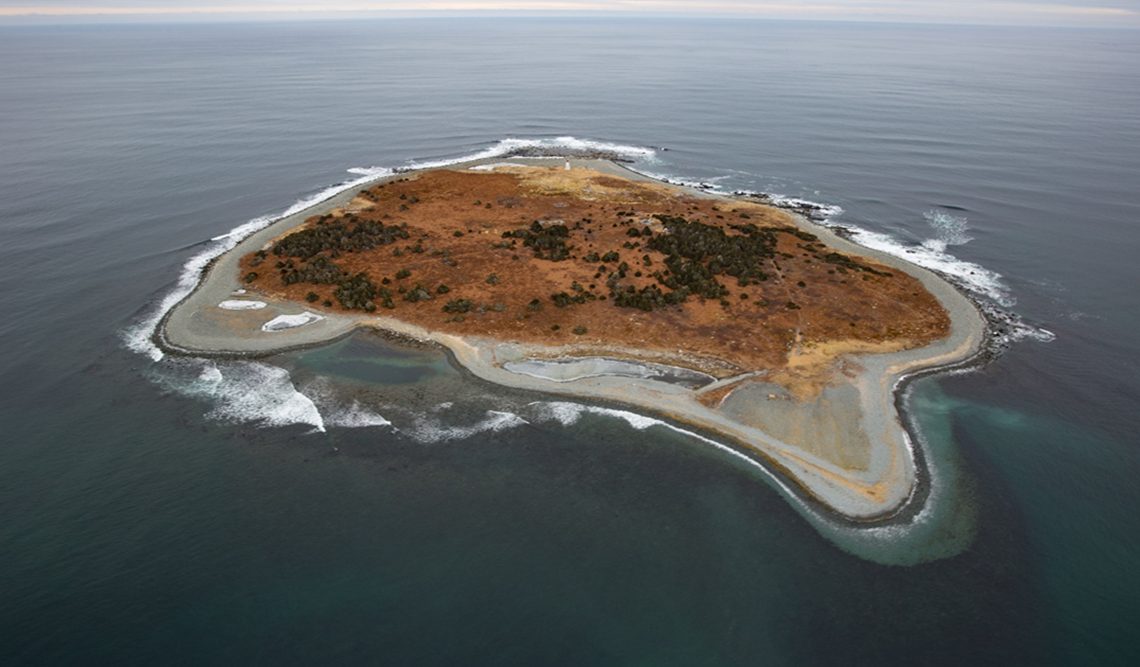
It is therefore my pleasure to share that the Federal Department of Environment and Climate Change (ECCC) recently announced the official designation of those same three Nova Scotian islands that I campaigned for almost two years ago. St. Paul Island, Isle Haute, and Country Island have existing protections under the Species at Risk Act or the Migratory Birds Convention Act, but the official designation as National Wildlife Areas (NWAs) under the Canada Wildlife Act strengthens the protections of these special places and the species found there. This designation brings Canada’s total number of NWAs to 60.
Isle Haute. Photo: Dan Conlin
These islands contain significant conservation values, most notably as important habitat for numerous species of birds, including at-risk species. They also contain unique features, like 100m high cliffs on Isle Haute or two freshwater lakes on St. Paul Island. These islands are also important for the Mi’kmaq, who have frequented these areas for millennia as traditional meeting places, as stopping grounds during long paddles, or as foraging areas. The Canadian Wildlife Service (CWS) is currently in discussions with Indigenous groups about applying Mi’kmaw names to these protected areas.
Getting to this point wasn’t a quick process, however. In the 90s and early 2000s, work was underway to declare these islands as important for conservation. This includes declaring Important Bird Areas for St Paul Island and Country Island, and preventing the public sale of Isle Haute. These islands were also included in the Department of Fisheries and Oceans’ identification of Ecologically and Biologically Significant Areas (EBSAs) in the Bay of Fundy and around Nova Scotia’s Atlantic coast. In July 2023, a 30-day public consultation began for the amendments to the Wildlife Area Regulations in order to create these three NWAs. It wasn’t until now, in January 2025, that these islands officially received their designations as NWAs.
Country Island. Photo: Garry Donaldson
While I am excited for the designation of these three island NWAs, I want to impress upon our readers that we still believe the process of designating protected areas takes too long. It took about two decades from the time these islands were initially identified as important areas for conservation until their ultimate designation as protected areas. While a site is awaiting official designation and the protection that comes along with it, we risk further ecological degradation and biodiversity loss.
Myself and the rest of the CPAWS-NS team will continue to fight for the timely protection of ecologically important places in Nova Scotia, and ensure that our sensitive species and habitats are conserved for future generations to come.
Thanks for reading, and now you can take a breath of fresh air knowing that these special places are finally protected!
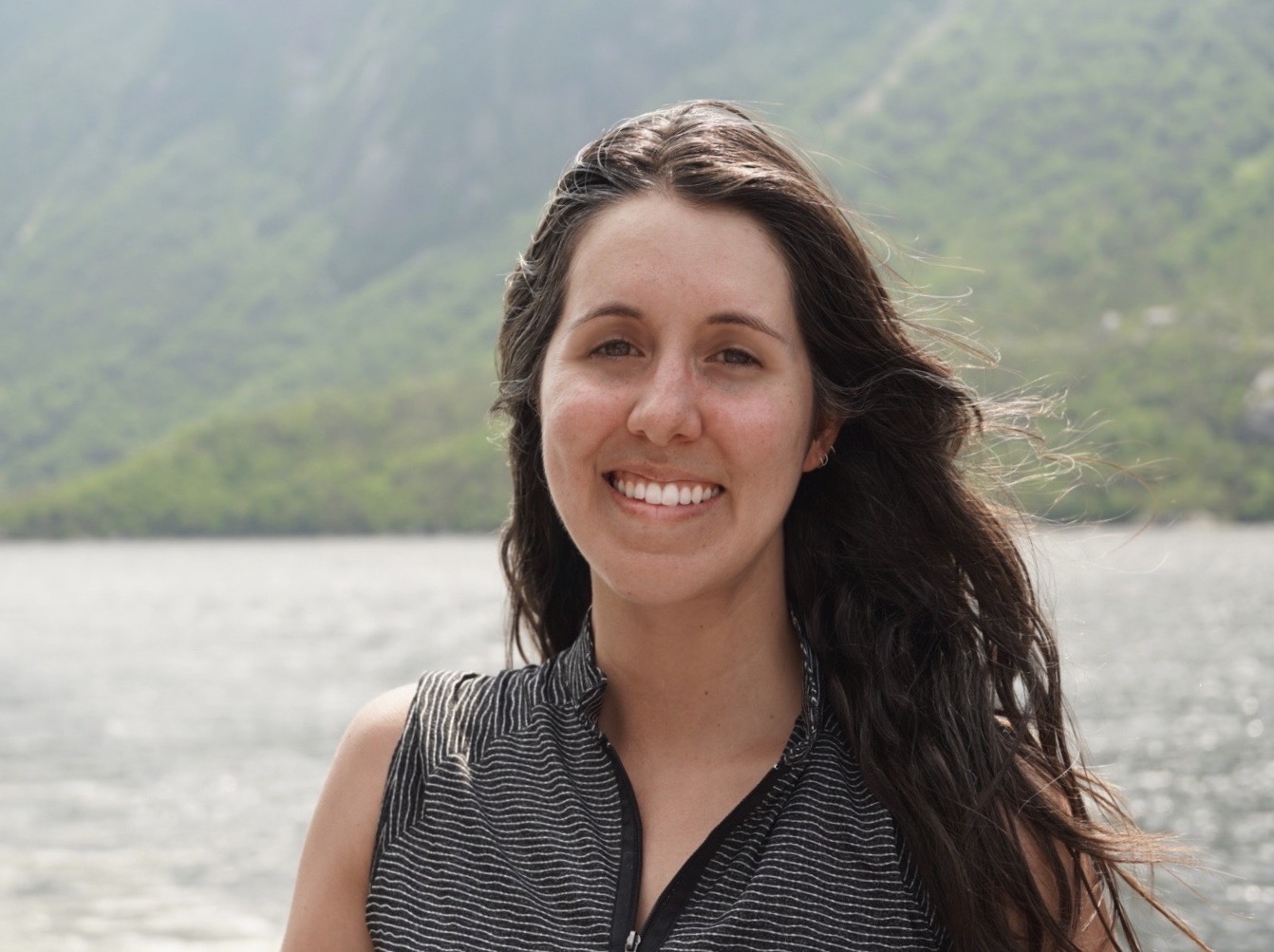
My name is Madie Stewart and I’ll be working as a Conservation Campaigner for the Nova Scotia Chapter! I’m excited to be a part of this amazing team to explore the remote corners of our province and help protect these amazing natural spaces.
I can still remember the first time I fell in love with the ocean, but it might not be what you would expect. When I was about seven years old, my family took a trip to Disney World, and one of the attractions we visited was a shipwrecked-themed aquarium that you could snorkel in. As soon as I gazed into the water with my mask and snorkel, I was absolutely enthralled. There were hundreds of fish, mounds of coral, and sharks all around me. I ended up begging my parents to let me do the attraction again, which they did, and so I went in again… seven more times. To this day, I still vividly remember that experience and how I felt being underwater, and I still get that feeling every time I am in the ocean.
Growing up in Ottawa, I spent a lot of time exploring the outdoors, from family camping trips in Gatineau Park, kayaking or canoeing on the Ottawa River, catching bugs in my backyard, and swimming in any body of water that I could find. I also learned a lot about nature from my father, who was a high school science teacher with a degree in marine biology, as he showed me how to use a microscope, brought me along to collect pond water samples for his classes, and set up fun experiments or science activities at home. This is one of the main reasons that I decided to pursue a career in the natural sciences.
Although I grew up in Ottawa, Ontario, I spent my summers in Nova Scotia, and it became my second home. It was also the place that I first saw the ocean, so it will always hold a special place in my heart. In 2013, I moved to Halifax to start my undergraduate degree in marine biology at Dalhousie University and I immediately loved living the seaside life. I took up coastal hobbies, such as surfing and hiking, and took part in as many field courses as I could during my studies, which allowed me to experience first-hand the habitats in and around the water.
After graduation, I was accepted to the ISATEC – International Studies of Aquatic Tropical Ecology master’s program (it’s a mouthful, I know) at the University of Bremen in Germany. For my master’s thesis, I worked in Fiji for three months, where I lived in a traditional coastal village on the Coral Coast of Fiji’s main island. I conducted field surveys using snorkeling to collect data on the effects of Marine Protected Areas (MPAs) on territorial damselfish (Stegastes spp.) communities on the fringing reefs. The pace of life in Fiji was totally different than what I was used to, but it allowed me to slow down and appreciate the smaller things, as well as have gratitude for Mother Earth and what she provides, and I continue to try to channel this mindset in all that I do.
Coral restoration on the fringing reefs in Votua Village (Photo: Reef Explorer Fiji).
Working for CPAWS is a dream come true, and I’m so lucky to have a job that allows me to spend time outdoors and experience the variety of habitats that Nova Scotia has to offer. I can’t wait to dive in and share my findings with you all!
My name is Hunter and I am thrilled to be coming onboard the CPAWS-NS team as a Marine Specialist.
Scientific diving in Nova Scotia
It may come as somewhat of a surprise, but I grew up in Saskatoon, Saskatchewan. How does one go from one of the most landlocked places in the world to an expert in marine life? Let me tell you!
A bit of background: While it may be far from the ocean, Saskatchewan is far from high and dry. In fact, within Saskatchewan’s provincial boundaries are over one million lakes. Two arteries, the North and South Saskatchewan rivers, flow down from the Albertan Rocky Mountains. This water and fertile glacial sediments is what make Saskatchewan such an effective agricultural producer.
All of this to say that Saskatchewan is covered in wetland; wetland that I, in my youth, spent plenty of time exploring. Some of my earliest memories are of catching frogs with my dad during our summers at Emerald Lake. It fascinated me that so much life was teeming just under the surface of these ponds and lakes, so close, but still out of reach. Pictures weren’t enough — I had to see it with my own eyes.
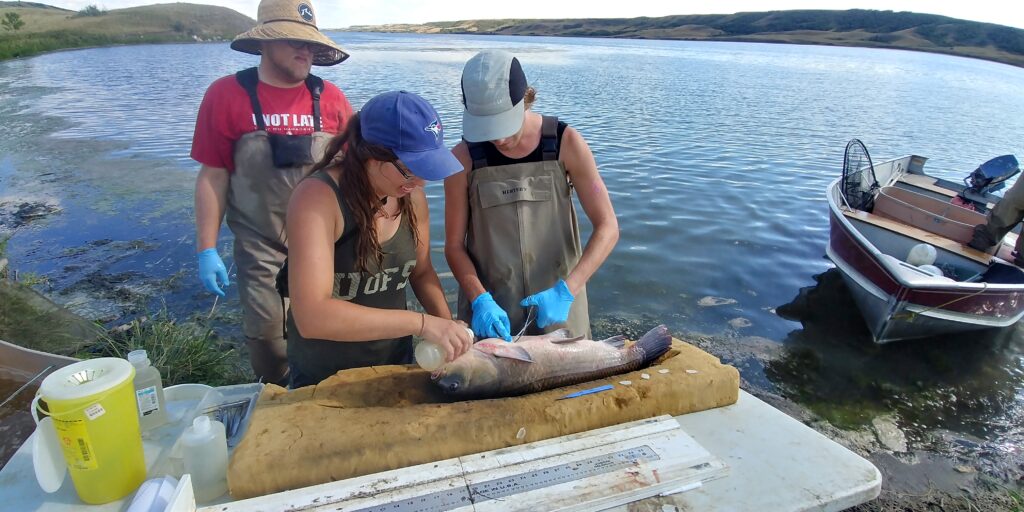
In 2013, I had the privilege of visiting the island of Maui, Hawaii, with my family. It was here that I first obtained my SCUBA certification and learned to snorkel in the playful waters of the south shore. The colourful diversity that I encountered here lingered in my thoughts for years. Once I finished high school in 2015, I enrolled at the University of Saskatchewan. During my studies, I got involved with a project using acoustic telemetry to study the Bigmouth Buffalo — a large, herbivorous carp-like fish native to southern Saskatchewan and parts of the United States.
Using acoustic telemetry to study Bigmouth Buffalo
I finished my undergraduate degree as the president of the University’s Biology Club, and with the fantastical seascapes of Hawaii still vivid in my mind, I set my sights seaward. I was lucky enough to snag a position with Dr. Glenn Crossin at Dalhousie University on a project involving acoustic telemetry and Atlantic salmon. The irony of this was not lost on me: Here I was in my little river system, packing up all I owned and swi- (ahem) driving across the country and out to sea.
This brings us to the present. I finished my Master’s degree in August of 2021 and since then have taught Invertebrate Biology and Scientific Diving Methods in Ecology at Dalhousie University. I have spent the majority of my free time since moving to Halifax exploring our coasts. The diversity of life to be found here is astounding, and I do all I can to share it with others.
Saskatchewan’s wetlands and Nova Scotia’s watersheds share something in common: they are in danger of or are actively being degraded by human activity. I intend to use my education and skillset to do all I can to preserve these biological jewels for generations to come, in the hope that nature might inspire more students like me. CPAWS Nova Scotia shares the same goal, and together I believe we are a real force for conservation in this country.
I can’t wait to share our projects with you all, and if you ever have any questions about strange critters you’ve seen on land or at sea, please don’t hesitate to send me a message at hstevens@cpaws.org!
If you were to head out east across the Atlantic, eventually – over 100 km off the coast of Nova Scotia – you’d find yourself on the edge of the Scotian Shelf. Here the seafloor drops steeply to depths greater than that of the Grand Canyon, via channels cut into the seafloor that vary from narrow cuts to meandering valleys. Formed a long time ago by glaciers, these submarine canyons are home to a variety of benthic communities and create biological hotspots in the deep sea.
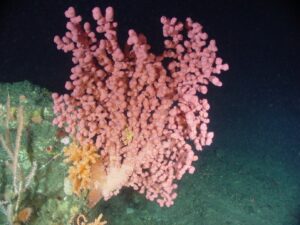
So, what lives in these canyons? Well, a keystone species in canyon ecosystems are cold-water corals, such as the bubblegum coral pictured below, that grow on hard surfaces at the bottom and on the walls of the canyons. They’re not plants, they’re animals too, but they spend their long adult lives attached to the sea floor providing important habitats for many other species. These canyons are also home to a host of other unique and astonishing creatures, such as sea pens, anemones, squid, octopus, and deep sea fish species. And this diversity isn’t only at the bottom – the surface currents attract all sizes of fish, as well as seabirds, and whales and dolphins. The endangered Northern bottlenose whale can be found year-round in these canyons, they travel from surface waters to the deepest parts of the canyon for food, spending up to an hour underwater and diving down to 1,500 metres.
Bubblegum coral (Photo: DFO)
There’s still a lot we don’t know about these submarine canyons – undiscovered species, unknown behaviours and occurrences, and many other mysteries of the deep – but what we do know is that these ecosystems are at risk from human threats. Climate change, harmful fishing practises, vessel collisions, entanglements, noise, and debris are just a few of the threats to canyon ecosystems, particularly given the slow growth and reproductive rates of many of these species.
Now is the time to act. We need more research to better understand the risks of human activities; reductions to ship speeds to avoid collisions; policies on pollution and dumping; prohibitions on offshore oil and gas activities; and stricter fisheries management measures. But perhaps one of the most effective tools for protecting biodiversity hotspots are marine protected areas (MPAs), clearly defined space dedicated and managed to achieve long-term nature conservation.
In 2004, the Gully became Canada’s first Oceans Act MPA to be designated in the Atlantic Ocean. At 40km in length and 15km in width, it’s the largest submarine canyon off eastern North America and is home to a resident population of endangered Northern bottlenose whales. As an MPA the Gully has a zone that is closed to all fishing activities to protect vulnerable ecosystems.
Earlier this year, the Eastern Canyons Conservation Area was established to protect additional canyon ecosystems from commercial bottom-contact fishing gear. The Gully MPA and Eastern Canyons Conservation Area are important sites for conservation, but they are not the only ones – there are other sites awaiting protection, and plenty of other canyons and sensitive offshore habitats all along the Scotian Shelf. By expanding our network of protected areas we can ensure long term biodiversity conservation of offshore ecosystems, but also support connectivity between populations and long term resiliency to climate change and human disturbance.
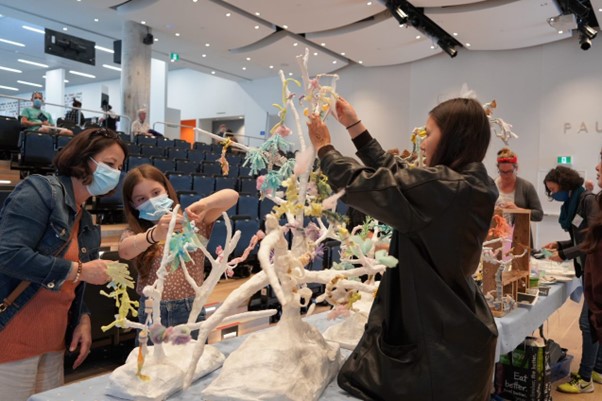
This year, CPAWS-NS and partners hosted canyon celebration events around Nova Scotia, to spread the word about these unique ecosystems and the need for conservation. The response from the event attendees was clear – Canadian’s care about deep sea canyons and want to see them protected.
Look out for more celebration events next summer!
Reanne
Canyons event at the Halifax Central Library (Photo: Teigan Labor)
Hi, I’m Camille, a summer Conservation Assistant at CPAWS-NS. From a young age, I’ve always known I was interested in humanitarian and environmental causes and solutions. After taking a class at Dalhousie on non-profits and helping to launch the Evercare Foundation, an organization which aids humanitarian causes through specialized healthcare, I knew that working in the NGO sector could be for me. I’m elated to spend the summer at CPAWS-NS to grow, learn, and make a difference.
I have moved around a lot in life, but the ocean was always there. Exploring all the delicate ecosystems of the sea has a special place in my heart and has made me realize the importance of protecting it for the next generation to enjoy and learn. My love for the ocean fuels my passion for learning and understanding aquatic systems.
We rely on ecosystem services from the ocean to live our everyday lives, yet many species play hidden but influential roles. Algae, or seaweeds, is one such species that helps in various ways. Algae has always interested me because it plays an important role in the ocean but is often overlooked. Macroalgae provide habitats, whilst microalgae are at the centre of crucial aquatic nutrient cycles. Without them, the earth would lose half of its oxygen production.
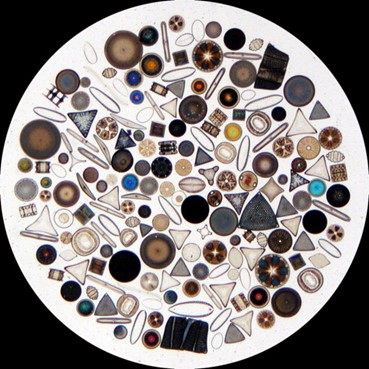
Wikimedia Commons
Check out these diatoms, they’re strangely beautiful and play an important role in the marine environment. Diatoms are a microalgae that live in freshwater habitats, oceans, and soil. Their major presence means they play a significant role in global nitrogen cycles, carbon cycles, and are major contributors to sediments. Diatoms are responsible for a significant amount of oxygen production from the ocean and are the base of many food webs.
Another interesting thing about seaweed is that you may be eating it and not even know it! Agar, an extract, is used as a thickening, suspending and stabilizing agent in food. It is extracted from red alga, Gracilaria and Gelidium. It is handy because it can be reshaped after repeatedly reheating, while gelatin cannot.
Carrageenan, an extract, is also used to stabilize foods, from eggnog to salad dressing to ice cream. It is what keeps the chocolate mixed in chocolate milk and resists crystallization in the freezer. It is extracted from red alga such as Chondrus, Irish Moss, that grows here in the Maritime provinces.
Take a look at your pantry or in the supermarket, see if you can find Agar or Carrageenan in the ingredients list for your favourite foods!
I’m excited to explore and learn more of the ocean this summer with CPAWS. Nova Scotia is a beautiful place with many areas that must be studied and protected. I want to get to know more local organisms, work hard to protect them, teach others about the significance of conservation, and maintain healthy marine environments.
In early May, I embarked on a 5-day survey expedition to Archibald Lake with the CPAWS Nova Scotia team. Our goal was to identify rare species throughout this area, including plants, birds, and lichens, and help boost the campaign to secure legal protection for these important lands and waters.
Archibald Lake is a pending wilderness area located near Sherbrooke in Guysborough County. This area contains old forest, drumlins, and riparian ecosystems. It’s also a part of the St. Mary’s River watershed which supports species-at-risk habitat for Atlantic salmon and wood turtles. The Nova Scotia government announced its intention to protect Archibald Lake back in 2020 and completed a final public consultation, but there has been no movement to designate the wilderness area since. That’s a problem and it’s why we focused our surveys in this area.
I had never participated in species-at-risk surveys before this expedition, so I was excited to gain some experience identifying plants and animals in their natural habitat. I spent much of the week prior familiarizing myself with bird calls and committing images of plants and lichens to memory. Once in the field, however, I quickly realized it takes more than a little at-home studying to do this specialized work and I was glad to learn directly from a birding expert who joined us on the expedition.
Bird surveys at sunrise
Our surveys at Archibald Lake mostly took place in the evenings or early mornings. During bird surveys, we woke up at 3 or 4 am, bundled up in extra layers to combat the cold, and hiked out of camp with our headlamps on. As the sun rose, we slowed our walking pace and stepped lightly, allowing our birding expert to catch any whispers of bird song in the air. While I struggled to identify birds by ear, I found their cheerful calls to be energizing on those chilly mornings.
One of my favourite aspects of the expedition was the night surveys. Our team would sit in stillness on the old forest floor between Rocky and Archibald Lake, just watching and listening. While the forest initially seemed quiet, we would not have to wait long for the haunting call of a loon or a chorus of coyotes to puncture the silence around us. It was magical to witness the wildlife of Archibald Lake waking up.
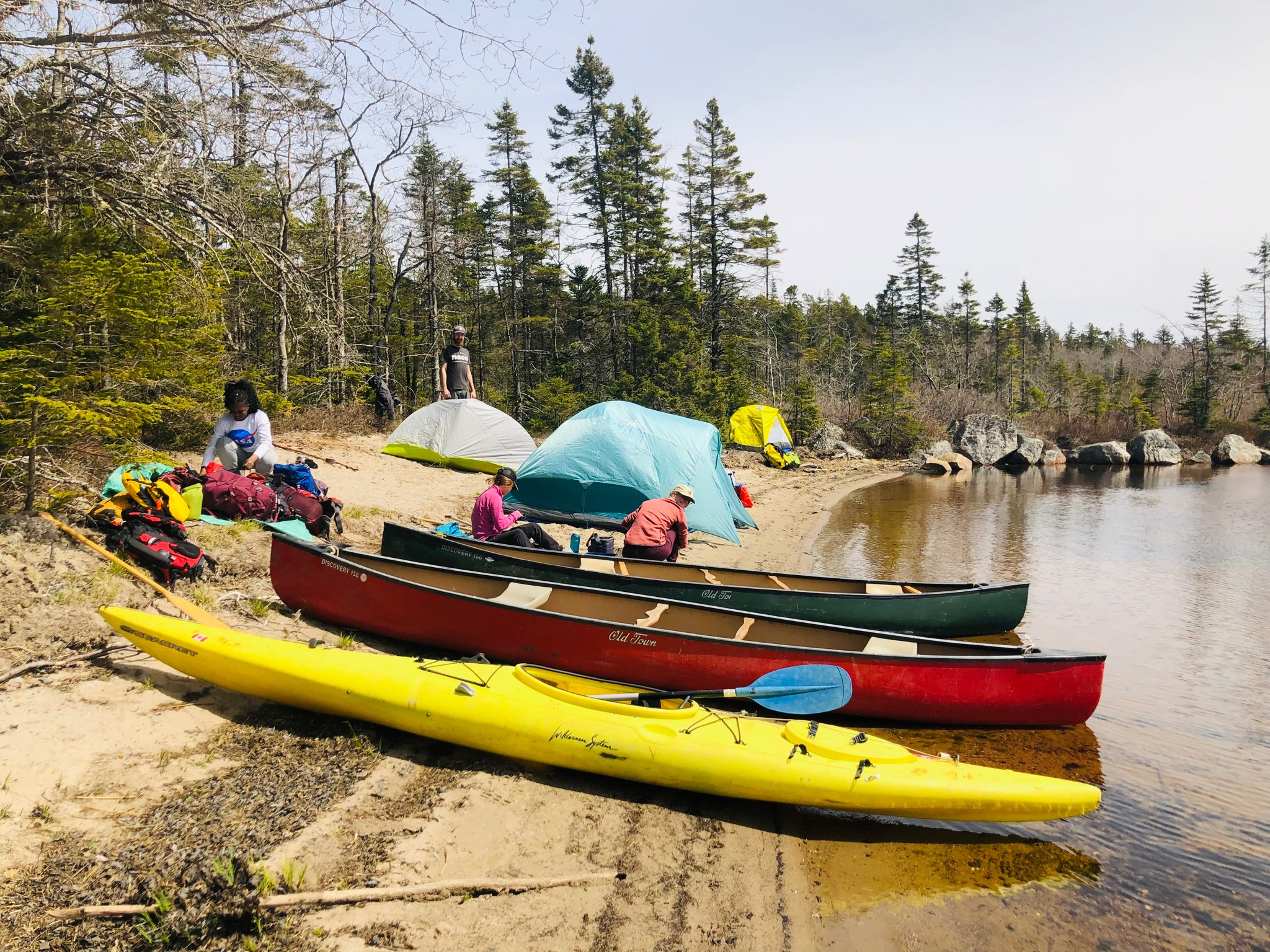
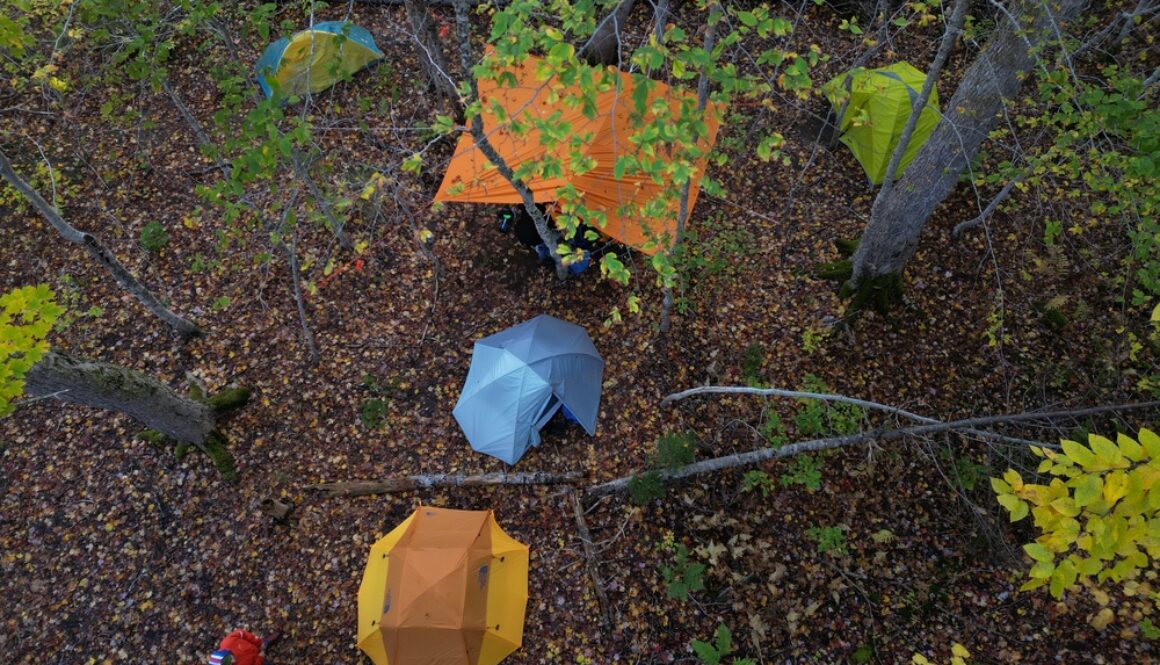
Always lots on the go at our campsite!
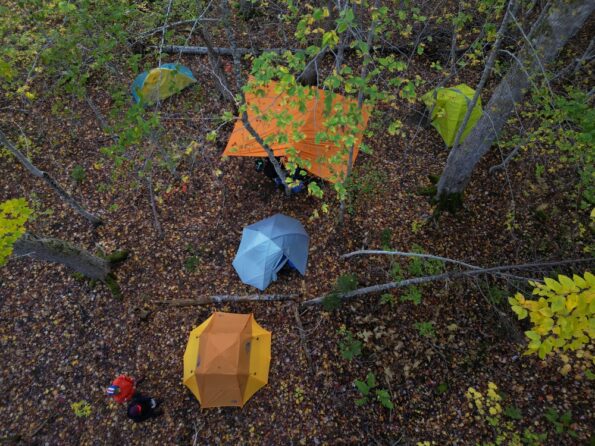
In between our surveys, most of our time was spent at camp. We pitched our three colourful tents on a small sandy beach at Archibald Lake and spent our free hours paddling around the lake, cooking meals, and talking about the work ahead. We also endured some crazy temperature swings at our campsite. On our first night, it dropped to -6 degrees, but by our last day, we were hiking out in temperatures of +30 degrees!!
Despite the unpredictable weather, our surveys were successful in identifying a long list of significant species at Archibald Lake, including a long-eared owl and a plant called spring beauty. This is an area of tremendous biodiversity, but it remains vulnerable to disturbance so long as the government stalls on legal protection. CPAWS Nova Scotia will continue to explore the many conservation values of Archibald Lake and advocate for its designation as a protected wilderness area.



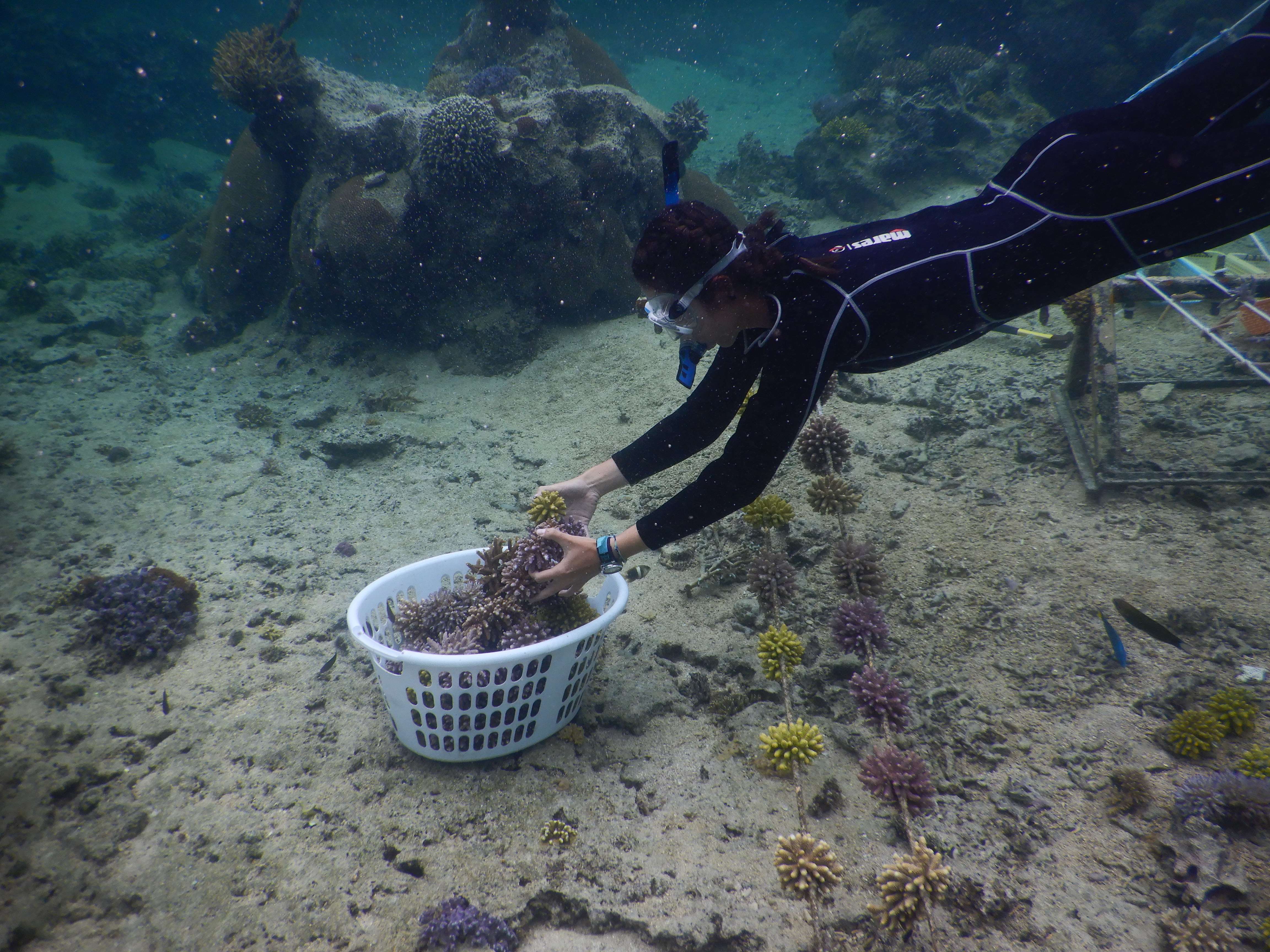 Coral restoration on the fringing reefs in Votua Village (Photo: Reef Explorer Fiji).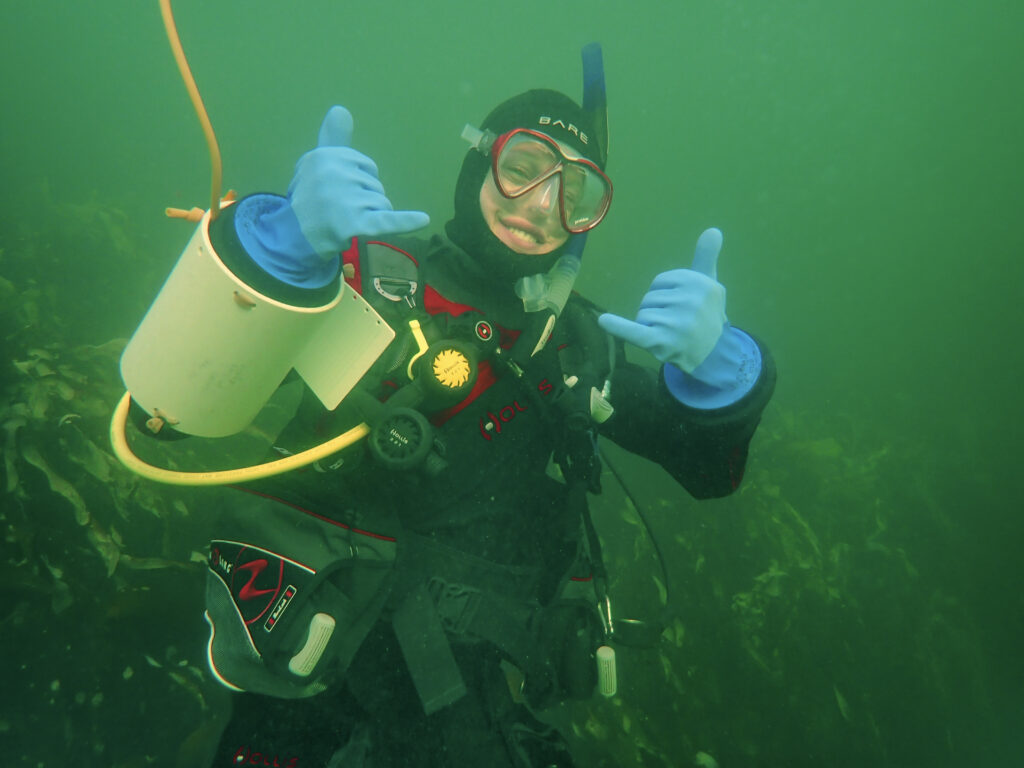
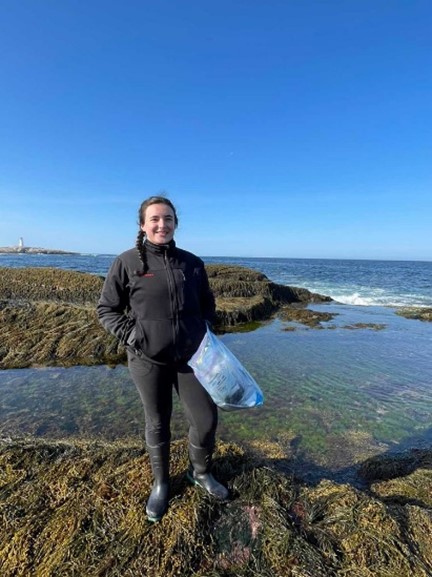 Hi, I’m Camille, a summer Conservation Assistant at CPAWS-NS. From a young age, I’ve always known I was interested in humanitarian and environmental causes and solutions. After taking a class at Dalhousie on non-profits and helping to launch the Evercare Foundation, an organization which aids humanitarian causes through specialized healthcare, I knew that working in the NGO sector could be for me. I’m elated to spend the summer at CPAWS-NS to grow, learn, and make a difference.